
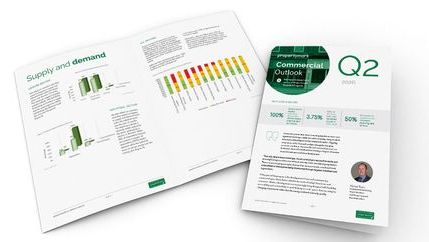
Commercial Outlook Q2 2026
This report highlights continued economic uncertainty across the commercial property sector, with expectations of steady industrial demand, increased supply of pubs and restaurants, and varying sentiment around capital values and investment yields.
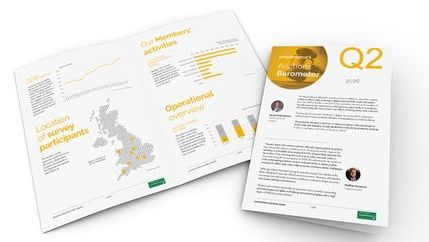
Auctions Barometer: Q2 2026
The latest Auctions Barometer highlights the sector’s resilience despite economic uncertainty. Nine in ten members surveyed reported stable or increased numbers of lots achieving their reserve price, while 55% saw an increase in lots exceeding reserve prices. The report explores auction performance and key challenges facing the sector.

Housing Insight Report: August 2026
August’s figures reveal a housing market where activity continues, but buyers are taking a more cautious approach, making realistic pricing and negotiation increasingly important. Meanwhile, growing tenant demand and limited rental supply continue to create challenges across the lettings market, highlighting the different pressures facing buyers, sellers, landlords and renters.

Equipping agents to lead informed conversations on pet-friendly tenancies
Across the UK, finding a suitable rented home can be more challenging for pet owners, especially when landlords are concerned about potential damage, noise, or cleaning costs. Battersea identifies housing as one of the main reasons animals are given up to its care, but the perceived risks of allowing pets can differ from the reality. Our new Renting with pets guide sets out practical ways to assess requests, manage risks, and build clear agreements that support successful tenancies.

Housing Insight Report: July 2026
Sales and lettings activity remained steady in July 2026, with buyer demand increasing and more homes available for sale, although most properties sold below asking price and transactions continued to take longer to complete. In the rental market, demand remained far higher than supply, with rents rising slightly and rental arrears increasing.

Property identifiers will improve the accuracy of sales data
HM Land Registry will add property and spatial identifiers to its monthly Price Paid Data from 28 August 2026, helping estate agents provide more reliable information to buyers and sellers. Unique Property Reference Numbers (UPRNs) and INSPIRE IDs will be available in separate lookup tables alongside the dataset. The change will make it easier to connect sale prices with other property, address, and location data.

Housing Insight Report: June 2026
The housing market remained active during June, but buyers and renters continued to show caution. Buyer registrations dipped, while sales agreed remained broadly stable. Demand for rental properties continues to outstrip supply, with nine applicants per available property.

Welsh rental market shrinks as ownership becomes more concentrated
The number of registered rental properties and landlords is declining, while a small group of larger landlords controls a growing share of the market, according to data from Rent Smart Wales. The national figures also mask sharp differences between Cardiff, Swansea, and the rest of Wales.

Housing Insight Report: May 2026
While we have seen a slight dip in prospective buyer registrations, stock levels have edged upwards, giving consumers more choice and helping to create a more balanced sales market. Although tenant demand increased throughout May, available stock fell slightly, leaving an average of eight applicants competing for every available property.

Soaring landlord departures masked by growth of build-to-rent
More than 834,000 homes have left the UK private rented sector over the past decade, but a rise in new listings—driven partly by Build to Rent—means that rental supply is currently at its highest level for seven years. Professional agents play a crucial role in helping landlords understand their obligations, adapt to regulatory change, and operate successfully. Supporting responsible landlords to remain in the market is vital if tenants are to have access to an adequate choice of safe, affordable, and suitable homes.

Unsafe cladding linked to higher insurance rates in new government survey
New research covering more than 2,000 buildings in remediation programmes in England and Wales shows that insurance rates remain higher where flammable cladding or other external defects are present. The findings reinforce our call for faster remediation, transparent pricing, and premiums that respond when building risks are reduced.

Propertymark research supports calls for swift, meaningful change for leaseholders
Nearly ten years after we first began campaigning on this issue, reform is still not moving fast enough. Flat owners remain trapped by rising costs, complex rules, and a sales market that is becoming harder to navigate. We’ve drawn on fresh evidence from more than 1,200 leaseholders and over 200 Propertymark members to expose the current impact of unaffordable costs linked to building safety defects, the difficulty of challenging unreasonable service charges, and the increasing barriers to sale which are putting the market under significant pressure.

Auctions Barometer: Q1 2026
Despite global economic uncertainty, the auction profession remained resilient in Q1 2026, with 80% of surveyed members reporting that the number of lots achieving their reserve price stayed the same or increased compared with the previous quarter.
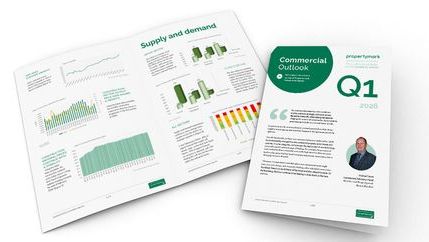
Commercial Outlook Q1 2026
The commercial property sector continues to play extreme strategic relevance across the entire of the UK, often taking the lead on shaping the success of communities by accurately provisioning to both current and future needs.

Housing Insight Report: April 2026
Despite wider economic uncertainty and inflation remaining above target, the housing market continues to demonstrate resilience. Within the rental market, demand continues to significantly outstrip available supply.

English Housing Survey presents baseline for PRS before Renters’ Rights Act
Published on 14 May 2026, the survey looks at renters’ satisfaction, tenancy security, eviction practices, barriers to renting, and complaints handling. It shows that many tenants report positive experiences, but there are still clear pressure points, especially for people receiving housing support, households with a long-term illness or disability, and renters who need to raise a complaint. The key test will be whether the Act raises standards, improves enforcement, supports effective redress, and ensures landlords and agents have the confidence to keep providing homes.