Turning our campaigning into practical change
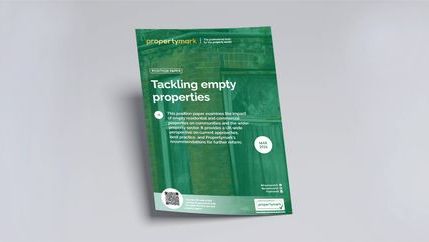
Empty property is a wasted resource at a time of housing need. Bringing existing buildings back into use, wherever possible, must be part of Wales’s response to the shortage of suitable homes. Our evidence builds on our Tackling empty properties position paper and our wider campaign work.
By taking these priorities directly to the Welsh Government, we are pressing for policies that help members and their clients return properties to use, increase housing supply, and support communities across Wales.
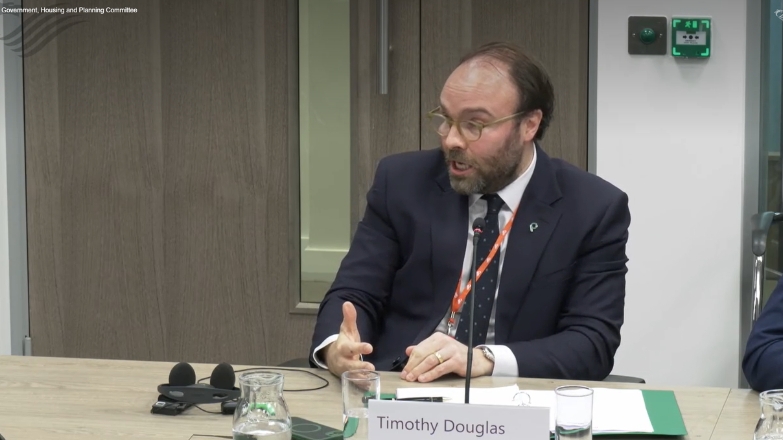
Watch the Committee evidence session on Senedd TV.
Open up support to private landlords
Continued funding for the National Empty Homes Grant, which provides up to £25,000 towards essential repairs and energy-efficiency improvements, is welcome. Our campaigning helped lead to the scheme’s introduction in 2023, and its extension to March 2027 provides further support to return neglected properties to use. However, applicants generally must occupy the property as their main and only residence for at least five years after the work is completed.
We told the Committee that these restrictions limit what the scheme can achieve. Supporting an owner to renovate a home for private rent could also provide much-needed accommodation.
The Welsh Government needs to define clearly who it considers a housing provider when targeting financial support. Private landlords provide homes, yet their contribution is not consistently recognised by government and local authorities. Funding should reflect the role they can play in meeting housing need.

Test whether council tax premiums work
We questioned whether doubling council tax on empty homes is a blunt instrument, particularly where owners face barriers to selling, letting, or renovating a property.
The Committee should examine whether higher charges are linked to effective action to reduce vacancy. Raising revenue does not, by itself, demonstrate that a council is helping owners return homes to use.
This builds on our recent submission to the Senedd’s Finance Committee ahead of the 2027–28 Welsh Budget. We stressed that taxation alone will not resolve long-term vacancy: councils also need resources, dedicated empty homes officers, grants and tailored incentives to work with owners.

Build a clearer picture of empty homes
Effective policy depends on understanding why properties are empty and what would enable them to be occupied.
Current information comes from sources including business rates, planning records, council tax and the census. These do not provide a complete picture of whether a property is habitable, being marketed for sale, intended for rent, awaiting repairs or already undergoing renovation.
A Welsh housing survey could help fill these gaps. Better evidence would allow support to be targeted more effectively and help distinguish between properties moving towards occupation and those where further intervention may be needed.
In May 2025, a national survey was announced by the then Housing Secretary, Jayne Bryant MS, with a later update suggesting a launch in 2027-28. However, no further updates have been provided.

Review the full cost of bringing property back into use
Any consideration of Land Transaction Tax (LTT) relief for empty properties should form part of a wider review of property taxation and the costs of renovation and letting.
Our Welsh Budget submission has already called for a review of the impact of property taxes across the housing market, including a reduction in higher LTT rates on additional residential properties. These costs affect landlords and investors providing homes to rent, as well as those purchasing second homes.
We also urged the Committee to consider business rates relief for empty commercial buildings, including support for improvements and for new businesses taking on premises.

Fund local action and set clear safeguards
Local authorities should have dedicated empty property officers who can work with owners and coordinate action. However, we recognise the financial pressures councils face. If this discretionary role becomes a statutory requirement, it must come with dedicated funding from central government.
We also called for clear safeguards if compulsory purchase reform is pursued. Guidance must explain what counts as reasonable efforts to contact and engage with an owner before a property is compulsorily purchased.