Renters' Right Act 2025 Toolkit
Navigate the changes with these expert guides
Rent increases and the First-tier tribunal
This practical guide explains the Section 13 process, notice requirements and tenants’ rights to challenge rents. Learn how the First-tier Tribunal makes decisions, what evidence to provide and how to support landlords and tenants with confidence.
Selling property under the Renters’ Rights Act
The Act changes the process of selling tenanted property. There are new grounds for possession, key legal requirements, practical considerations for sales agents and auctioneers, and ways to manage marketing, tenant expectations, and compliance throughout the transaction.

Supporting property agents to adapt
The Renters’ Rights Act 2025 introduces the biggest changes to the private rented sector in England for over 30 years. In this guide, we outline the key things you need to know and what you need to think about to help you adapt.
New ways of working: a letting agent's guide
Historically, many agents relied on predictable fee structures such as renewal fees, contract reissues, and negotiation charges tied to fixed-term tenancy cycles. As renewal events change, and rent increases follow a statutory process, professional letting agents should seize this opportunity to redesign service level fee schedules around ongoing value and compliance expertise.
Student rental market, what letting agents need to know
Under the Renters' Rights Act 2025, landlords won’t be able to give notice to tenants without a reason. The UK Government has created an exception to this, which will allow landlords renting Houses in Multiple Occupation (HMOs) to full-time students to gain possession. This guide outlines the details.
10 key changes landlords need to know
The Renters’ Rights Act 2025 will bring significant changes for landlords across England. This guide has been created to support landlords through the transition, it also highlights how professional letting agents can help ensure compliance, reduce risk and manage tenancies with confidence.
Quick guide for tenants
This practial guide explains how the Renters’ Rights Act 2025 affects tenants, from open-ended tenancies and rent increases to pets, property standards and eviction protections. Designed to simplify the new rules, it helps tenants understand their rights, responsibilities and what to expect from landlords and letting agents.
Local Authority Investigatory Powers
From 27 December 2025, local housing authorities in England will have powers to investigate potential breaches of housing law by landlords, agents, and others involved in the private rented sector, allowing them to request information, seize documents, and enter business premises under certain circumstances.
Fact sheets and FAQs

Helpline FAQs
Save time on the phone with a comprehensive bank of answers available 24/7. This extensive resource covers a broad range of topics—with a dedicated space for the Renters' Rights Act—ensuring quick and easy access to the information you need.
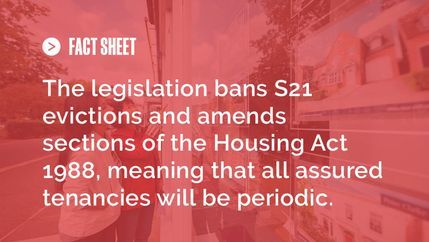
Fact sheet: Renters’ Rights Act
The legislation is the biggest overhaul of private renting in England, which bans Section 21 evictions, introduces a new periodic tenancy regime, and sets new requirements for property standards and rent increases.

FAQs: Renters’ Rights Act
The Act reforms rental laws in England. It includes protections for tenants against unfair rent increases, clearer grounds for eviction, and the introduction of a landlord’s ombudsman service. It addresses rental discrimination, the right to keep pets, and enforces the Decent Homes Standard.
Fact sheets: Discrimination in the rental market
Fact Sheet: Discrimination in the rental market (England)
On 27 December 2025, two months after the Renters’ Rights Act 2025 received Royal Assent, legislation within the act regarding discrimination will come into force, making it unlawful for letting agents and landlords to engage in discriminatory conduct against tenants with children or who receive benefits.
Fact Sheet: Discrimination in the rental market (Scotland)
The Renters' Rights Act 2025 introduced new rules about rental discrimination in Scotland, making it unlawful for letting agents and landlords to engage in discriminatory conduct against tenants with children or who receive benefits. This applies to all private tenancy types from 1 May 2026 and has retrospective effect, meaning that it will apply to all relevant tenancy agreements whether they were entered into before or after this date.
Fact Sheet: Discrimination in the rental market (Wales)
On 1 May 2026, the Renters’ Rights Act 2025 will come into force, introducing new measures to tackle rental discrimination. Following confirmation from the UK and Welsh Governments, these provisions will commence in Wales on 1 June 2026, making it unlawful for letting agents and landlords to discriminate against prospective contract holders because they have children or receive benefits.
Fact Sheet: Tenant Fees Act 2019

Fact sheets: Tenant Fees Act
The Tenant Fees Act came into force on 1 June 2019. To help our members comply with this complex piece of legislation we created a fact sheet covering various aspects of the ban. From 1 May 2026, the Renters' Rights Act amended the Tenant Fees Act to prohibit landlords or letting agents from requiring or accepting rent in advance of the tenancy being entered into and the fact sheet was updated to reflect this.
Webinar recordings
13 APRIL 2026
Renters' Rights Act: Final Preparations
Timothy Douglas, Head of Policy and Campaigns at Propertymark
Valerie Bannister PPARLA, Lettings Compliance Director at LSL Franchisor Group
Jan Hÿtch PPNAEA, FARLA, FNAVA, Member Services Manager at PropertymarkOur experts shared final updates on issuing the Information Sheet and the new Assured Periodic Tenancy agreement. Key points also included clarification on Grounds 1 and 1A, the repeal of the How to Rent Guide, proactive pipeline management, and reviewing your referencing provider’s approach to rent in advance and virtual guarantors.