Consider how services could evolve under the new legislation, and ensure all communications with landlords reflect those decisions. Keeping clear records of any updates or agreed changes will also be essential.
By acting early and maintaining transparency, agents can support a smooth transition and protect strong working relationships with their landlord clients as the Renters’ Rights Act comes into force.
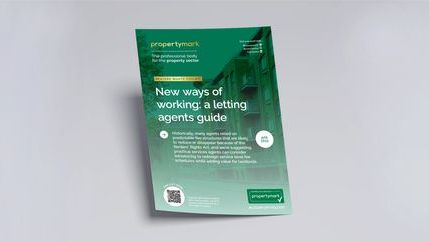
New ways of working: a letting agent's guide
Historically, many agents relied on predictable fee structures such as renewal fees, contract reissues, and negotiation charges tied to fixed-term tenancy cycles. As renewal events change, and rent increases follow a statutory process, professional letting agents should seize this opportunity to redesign service level fee schedules around ongoing value and compliance expertise.
Clarity on what Terms of Business are — and are not
Terms of Business form the contractual agreement between an agent and their landlord client, setting out services and responsibilities. They are not prescribed legal documents and will differ between firms depending on their service offering.
As a result, there is no single standard or definition of a “compliant” document under the new legislation.
New legislation will still impact how agents operate
Although the concept of compliance does not apply to Terms of Business themselves, the Renters’ Rights Act 2025, large parts of which are due to take effect from 1 May 2026, will significantly change the legal framework for lettings.
This means existing agreements may reflect outdated processes or responsibilities. Agents should therefore consider how their services will operate under the new rules and ensure landlords understand any changes.
For example, some agents are already choosing to step back from serving possession notices directly and instead refer landlords to legal professionals. Where this is the case, both documentation and client expectations must be updated.
Changes to rent review processes may also require attention, particularly where increased scrutiny or tribunal challenges could affect how evidence is gathered and how fees are structured.

Key areas agents should review
There are several areas where Terms of Business may need to be revisited to ensure they reflect the reality of the services an agent is providing under the new tenancy regime. These include how agents rely on possession grounds, how tenant requests, such as pets, are managed, and responsibilities for maintaining accurate records, including any future landlord database requirements.
Agents should also ensure that fee structures are clearly defined, with transparency about what is and is not included within their services.
Taking a practical and proactive approach
There is no requirement to replace existing Terms of Business immediately. However, agents may wish to update documents on new instructions from May 2026, issue revised agreements to existing clients, or provide addenda outlining changes to services and processes.
This is about adapting to a changing legal and operational landscape, rather than correcting non-compliance.

Renters' Rights Act
The Renters’ Rights Act 2025 is the biggest reform of private renting in England in decades. It abolishes Section 21 “no-fault” evictions, introduces a new periodic tenancy system, and strengthens rules on property standards, tenant protections, and rent increases to create a fairer, more secure rental market.
Propertymark is supporting members
We have created resources to help professionals with the transition as the enactment details become final. Our most recent webinar shared last-minute updates, guidance on issuing the Information Sheet and the new Periodic Tenancy Agreement.
Agents can also stay ahead of the curve with our essential training courses – Renters’ Rights Act: What you need to know and Section 8 & 13: Rents, Rights and Reposession – which offer an opportunity to learn from industry experts who will explain how the Renters’ Rights legislation will affect landlords and agents, and provide tips, insights and advice on how to thrive under the new regime.
Our Renters’ Rights Act Toolkit breaks down the Act and helps agents inform their landlords and tenants. It includes guidance, training, fact sheets, FAQs, and resources to help prepare for the changes.
Benefits for subscribers
Our Terms of Business templates provide businesses subscribed to the Propertymark Premium and Elite Company Advantage packages with ready-to-use legal contracts, terms and conditions, heads of terms, landlord agreements, and more, saving them the effort of creating them from scratch.