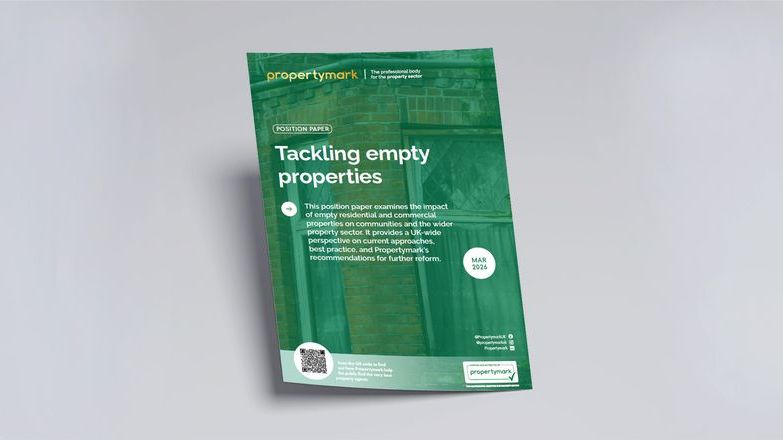
Propertymark has reviewed current policy measures, including council tax premiums, Empty Dwelling Management Orders, and High Street Rental Auctions, alongside approaches taken in devolved nations and internationally. While a range of tools exists, their application is inconsistent and often limited by resource constraints, with many local authorities lacking dedicated strategies, officers, or funding.
Recommendations for reform
Drawing on examples of best practice, such as the Scottish Empty Homes Partnership (SEHP) and local advisory schemes, we have set out recommendations for reform that focus on prioritising financial support and practical guidance for property owners, strengthening local authority capacity, and improving collaboration across government and the sector.
Good and bad practices
- More than 359,000 residential properties across the UK have remained empty for over six months
- Less than half of councils have an empty homes strategy in place
- 43,538 homes were brought back into use by the SEHP, which had been empty for six months or longer, including 31,596 which were empty for 12+ months
- 3,017 homes were brought back into use across Leeds since 2015