 Social housing, homeownership, and the PRS are deeply connected. A shortage in one tenure quickly creates pressure in another. Protecting existing social homes is important, but the wider priority must be to deliver enough homes of the right type, in the right places, for people to rent and buy.
Reform must now translate into delivery
Right to Buy has helped many people into homeownership, but it has also contributed to the long-term loss of social housing. The new reforms are a necessary step towards a more sustainable system, but they will only be effective if they are in tandem with a wider plan to build more homes and support all parts of the housing market.
Propertymark will continue to call for:
- More social and affordable homes to reduce pressure on the PRS.
- Greater support for local authorities to build and replace homes.
- Housing targets that reflect local demand across all tenures.
- Policies that encourage landlords to remain in, and invest in, the PRS.
- Welfare reform, including Local Housing Allowance rates that reflect real market rents.
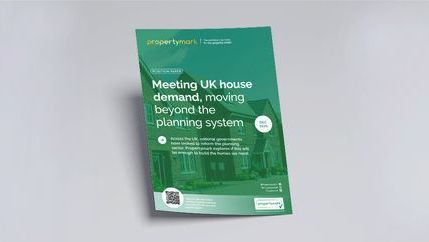
Protecting social homes is essential
We have consistently supported reforms that slow the loss of council homes and give local authorities greater confidence to invest in new supply. In response to earlier proposals, we supported increasing the qualification period to 10 years, arguing that Right to Buy should be targeted at tenants who have lived in and paid rent for their home over a long period.
We also backed changes to discount rules, stronger resale restrictions, and better protection for newly built social homes. When homes leave the social sector faster than they are replaced, lower-income households are pushed into the private rented sector (PRS). That increases demand, adds pressure on rents, and makes it harder for agents and landlords to support vulnerable tenants. Our members have reported intense competition for available rental homes, with demand outstripping supply in many areas.

Housing policy cannot work in silos
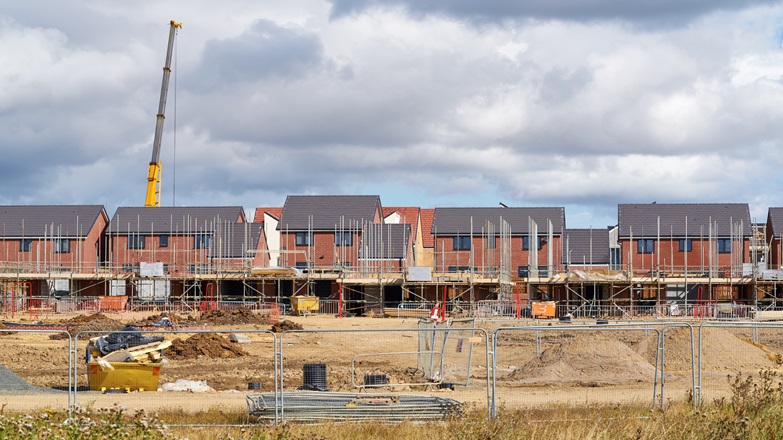
Between 1953 and 1973, the UK built an average of more than 340,000 homes per year, with local authorities delivering almost half of all homes during that period. In the past ten years, the UK has built an average of around 181,000 homes per year, with local authorities delivering only a very small proportion of that total.
That matters because social and affordable housing delivery cannot be left solely to market forces. If the UK Government wants to meet its housebuilding ambitions and reduce pressure across the market, local authorities must be given the resources, flexibility, and certainty to build more homes.
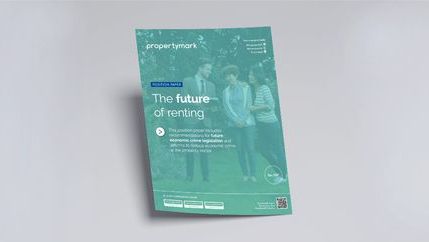
Rental pressure remains a major concern
The PRS is now a key housing provider, but it cannot continue absorbing unmet need from the social sector without consequences for tenants, landlords, agents, and local authorities.
Any measures to improve the PRS must be considered in the wider context of housing undersupply, particularly the shortage of social rented homes.
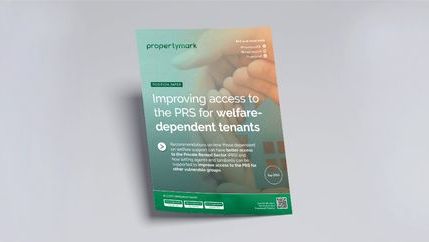
Many people who most need support with affordability are now living in the PRS because demand for social housing has far outstripped availability. For tenants receiving benefits or on low incomes, the challenge is even sharper. Our work on access to the PRS for welfare-dependent tenants states that, because affordable and social housing supply does not meet demand in most areas, the PRS is increasingly becoming the only housing option for many vulnerable people.