
Technology must support wider planning reform
While AI can make routine planning processes more efficient, these developments must be considered within the wider context of housing delivery. Improving the speed of smaller applications is a positive step; however, questions remain about whether similar efficiencies can be achieved for larger developments and the planning applications needed to support new housebuilding.
Propertymark has consistently highlighted the challenges facing local planning authorities, including staffing shortages and financial pressures. We have called for greater investment in planning services and more planning officers to help move local developments forward more quickly.
Evidence of impact and improved efficiency
PlanAssist will be implemented alongside new planning rules taking effect from 31 October 2026, following successful early testing with Camden, Barnet, and Dorset local authorities, and is now being expanded to 12 other councils. The UK Government intends to make it available to every council in England by the end of 2027.
It is designed to reduce time spent on routine planning applications, helping homeowners receive decisions more quickly on projects such as extensions, loft conversions and conservatories. Qualified planning officers will remain responsible for reviewing assessments and making final decisions.
Early testing cut the time spent on key planning tasks by 58%, reducing the processing time for routine applications from eight weeks to four. The technology brings together planning applications, local policies and site constraints, giving planning officers evidence-based initial assessments to support decision-making.
The announcement also forms part of wider UK Government efforts to modernise the planning system and support its ambition to build 1.5 million homes this Parliament. Alongside the AI rollout, the UK Government has renewed the National Scheme of Delegation and recruited 420 additional planners.
Propertymark’s position paper, Meeting UK house demand, moving beyond the planning system, highlights that planning reform alone will not be enough to address the UK's housing supply challenges. Improved local authority resourcing and a greater focus on housing delivery are what is needed to ensure new homes can be built at the required scale.
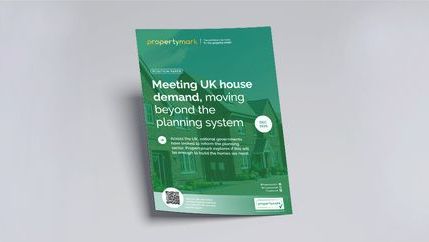
Meeting UK house demand, moving beyond the planning system
It has been argued that the existing planning system is no longer fit for purpose, that it is blocking the delivery of new homes. Across the UK, national governments have looked to reform the planning sector—Propertymark explores if this will be enough to build the homes we need.
Embracing innovation across the property sector
The UK Government's latest announcement represents a step towards a more digitally enabled planning system. However, the long-term success of these tools will depend on their ability to support planning professionals, reduce existing pressures and deliver homes.
We continue to engage with developments in planning policy and technology, ensuring that improvements to the system are considered alongside the wider needs of the property sector.