Housing quality must remain central: London needs durable, affordable homes with good access to transport, services and community facilities.
We have offered to meet the Mayor and officials to discuss our recommendations and share further evidence from members. Their insight can help shape a Plan that delivers more homes, supports businesses and reflects the realities of London’s property market.
What are the proposed planning policies?
The draft identifies capacity for around 558,000 new homes during the ten-year period from 2027/28 to 2036/37. It prioritises brownfield development but also proposes using some Green Belt land to help meet housing need. It retains a strategic ambition for 50% of homes to be genuinely affordable over the longer term.
Read or download the Draft London Plan
Other proposals cover Build to Rent, specialist and accessible housing, employment and industrial space, town centres, energy efficiency, and protection against flooding and overheating. Together, these aim to increase supply while creating healthier neighbourhoods and supporting economic growth.
Housing targets need a credible route to delivery
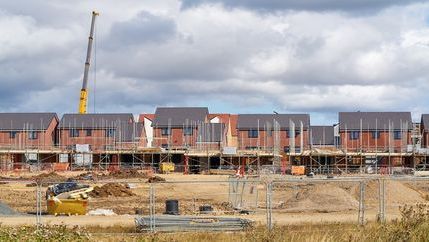
The Plan must distinguish between theoretical capacity and development that can happen in practice. Construction and finance costs, planning delays, labour costs, and market demand can all prevent schemes from progressing.
We want greater clarity about who will deliver new homes, how they will be funded, and when supporting infrastructure will be available. Drainage, sewer capacity, transport, schools, and other services must be considered alongside development. Where necessary, growth should be phased to reflect infrastructure capacity.
Success should also be measured through starts, completions, build-out rates, and occupation, alongside tenure and affordability. Planning permissions alone do not show whether London’s housing needs are being met.
Smaller developers and sites have an important role to play. More proportionate requirements, faster decisions and greater certainty could help bring forward a wider range of developments. The London Assembly must also carefully consider viability, design, maintenance, and local character before pursuing higher densities or taller buildings.

Give existing rented homes a stronger role
London cannot meet demand through new development alone. Our members report that some private landlords are reconsidering their position in the market, making the retention of existing rented homes an essential part of housing supply.
Build to Rent can contribute at scale, but it should not be treated as a complete replacement for traditional private landlords. We want the Plan to monitor the overall supply of rented homes, their rents and service charges, and the households able to access them.
Bringing empty homes back into use could also help. However, ownership problems, property condition and access to finance can make this difficult. Councils need sufficient staff, expertise and funding to address these barriers.
For affordability, we call for an approach that considers local incomes, rents, Local Housing Allowance, service charges, and wider living costs. Affordable housing requirements must also be tested against development viability, so that they help deliver homes without preventing schemes from proceeding.
Make better use of buildings and commercial land
Employment space should be protected where there is clear demand. However, a sensible planning policy must allow appropriate alternative uses where commercial premises are no longer viable.
This is particularly relevant to changing office requirements, vacant high street premises, and underused industrial sites. In suitable locations, conversion or redevelopment could support housing supply, local businesses, and town centre renewal.
We support protecting the Green Belt while assessing suitable grey belt or declassified land on its individual merits. Accessibility, infrastructure, environmental value, and landscape character should inform decisions.

Deliver greener homes that work for residents
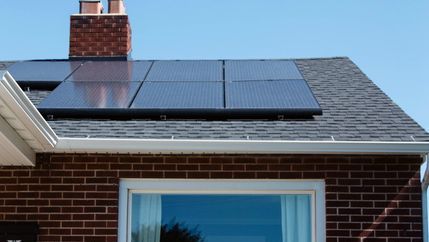
Requirements for energy efficiency and lower-carbon heating must reflect building type, technical suitability, and the cost of improvements. Older properties can be especially difficult to upgrade.
We have consistently campaigned for realistic financial support and a fabric-first approach, considering insulation, windows, ventilation, and the building envelope before more complex technologies. Retaining and adapting buildings can also offer carbon and financial benefits.
We support measures to reduce overheating, alongside accessible homes, good design, and specialist accommodation are also important. Attractive downsizing options could help older people move to homes that meet their needs while releasing larger properties for other households.