
The changes implement parts of the Leasehold and Freehold Reform Act 2024. They are separate from the further reforms expected in the Commonhold and Leasehold Reform Bill, which ministers say will be introduced to Parliament before Christmas 2026.
Reforms address concerns raised by our research
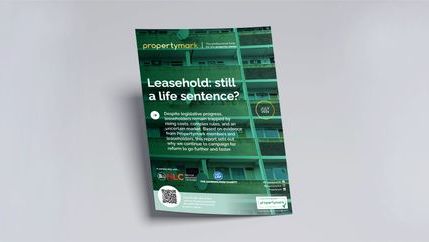
Our July 2026 report, Leasehold: still a life sentence?, drew on evidence from more than 1,200 leaseholders and over 200 members. Among respondents who paid a service charge, 86% had seen an increase in the previous two years, while more than one in four reported a rise above 60%.
We have called for clearer costs and better access to redress so leaseholders can challenge charges without lengthy, expensive court action. These reforms address those concerns, but implementation must give both consumers and property professionals clear, workable rules.
The UK Government stresses that these measures do not cap service charges and acknowledges that buildings will still need adequate maintenance, repairs, and insurance. Transparency must sit alongside faster building safety remediation: changing commissions and fees cannot remove the risks driving higher premiums.
What changes, and when?
Five sets of regulations are being laid on 12 November 2026, with another set covering litigation costs due before the end of the year.
From 1 April 2027, leaseholders will have stronger rights to request service charge information, including records from earlier years. Landlords will need stronger grounds to refuse. Protections against landlords passing on legal costs will also increase, with a new route for leaseholders to seek their own costs.
From 1 November 2027, clearer insurance and administration charge information will be provided automatically, including to council and housing association leaseholders. Private landlords will also have to provide standardised service charge demands, financial accounts and annual reports.
From 1 November 2028, the standardised demands, accounts, and annual reports will extend to council and housing association leaseholders.

Legal costs will need closer scrutiny
Landlords will need court or tribunal approval to pass litigation costs on to leaseholders. Leaseholders will also be able to apply to recover their own legal expenses.
This is not an automatic refund of every legal bill. The court or tribunal will decide what is just and equitable. Agents handling disputes should review how legal costs are authorised, recorded and charged, and check the detailed regulations before advising clients on recovery.
Insurance payments and administration fees
From 1 November 2027, leaseholders will receive clearer information about their building’s insurance and any administration fees they may have to pay. They will also gain stronger protection against excessive or unreasonable fees for arranging and managing insurance.
The changes will limit which insurance-related fees landlords can pass on to leaseholders. Regulations will set out which payments are allowed. Landlords will also have to provide information about the insurance when a policy is bought or renewed.
Administration fees will need to be more transparent too. Landlords will have to publish a list of charges leaseholders may face, showing either the price or how it will be worked out.
Managing agents should review insurance fees with landlords and brokers, check that they can obtain and share the required policy information, and prepare clear lists of administration charges.

Prepare billing systems and records
The new requirements will make reliable records and clear communication central to compliance. We encourage managing agents to assess whether their software, accounting processes and document storage can support standardised demands, accounts and reports, alongside requests for historic information. Teams should agree who handles requests and how information is obtained from landlords and other parties.
For sales agents, clearer records could help buyers assess ongoing costs earlier. Delays in obtaining management packs, service charge details, and building safety information can hold up transactions, and agents should continue gathering accurate leasehold information at the start of the sales process.

What will the next Bill change?
The forthcoming Commonhold and Leasehold Reform Bill will cap existing ground rents at £250 a year, make a revised commonhold model the default for most new flats, and make conversion easier for existing leaseholders. It also plans to replace forfeiture with a fairer enforcement system.
Commonhold gives owners outright ownership of their flats and a shared say in running their building. It still requires effective management of communal areas and costs.
Earlier proposals included reducing capped ground rents to a peppercorn after 40 years, a wait we have urged ministers to shorten. Unresolved questions remain about possible exemptions for leases where higher ground rent was explicitly exchanged for a lower purchase price. The final scope and timing of these measures remain to be confirmed.
We support a workable transition to commonhold, alongside meaningful help for existing leaseholders. Our priorities remain fair costs, clear information, effective redress and professional standards that improve confidence in leasehold homes.