Check the notice and back up the rent
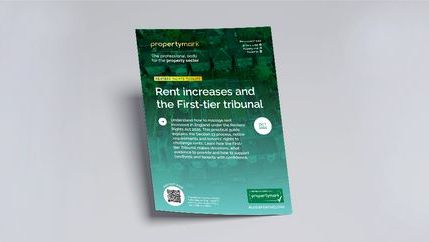
Landlords must use the Section 13 process to increase rent for an assured periodic tenancy, even if the tenant agrees to the increase. Use Form 4A, give at least two months’ notice and check that the new rent starts on the first day of a tenancy period. If the tenant pays on a different day by arrangement, check the tenancy agreement before choosing the start date.
The panel looked at decisions published since 1 May. These included applications made before and after the reforms, so it is too early to draw firm conclusions about the effect of the new rules. However, one lesson for agents is already clear. If a notice is invalid, the existing rent can stay in place, and the landlord may have to start again.
Before serving notice, gather evidence of rents achieved for similar homes. Explain how those properties compare and take account of anything that could affect the rent, from outstanding repairs to noise or loss of light during building works. Discuss the evidence with the landlord and explain what could happen if the tenant challenges the increase.
Get portfolios ready for the rental property register
The UK Government’s ‘Register your rental property’ service will open by region. The first region, West Midlands, has until 14 March 2027 to register occupied homes covered by the rules. The final regional deadline is 14 November 2027. Use the property’s postcode to check its council area and which region it is in.
See the full timetable on GOV.UK →
Landlords must register themselves, start each property registration and pay the annual fee of £65 per property. They can invite their agent to add tenancy, licensing and safety information and keep those details up to date. Landlords remain responsible for adding any outstanding information within 28 days of registering the property and recording changes within 28 days.
Read the GOV.UK guidance for letting agents and property managers →
Three ways agents can prepare now
- Sort your portfolio by council area. Check which properties come first and contact those landlords early. Include let-only clients when planning your communications.
- Decide what support you’ll offer. Check your terms of business and tell landlords who will add the information, who will keep it up to date, and whether there will be a charge. Give clients a named email address or inbox for invitations.
- Check your records and software. Make sure staff can find EPCs, gas and electrical safety records, licence details, and current tenancy information. Ask your software provider how you can record and report on landlord and property registration numbers. These numbers will be required on rental adverts at a later stage.
Registration sits alongside any local licensing duties. We continue to raise members’ concerns about cost and duplication, and to press councils to make better use of the national register.

What we’re watching next
The panel highlighted proposals to extend Awaab’s Law to private rented homes, improve how property income is reported to HMRC, expand electric vehicle charging access for tenants and leaseholders, and tackle energy debt when people move home. If your team handles client accounts, share the HMRC proposals with them and tell us how they could affect your business.

Get support from Propertymark
Our Renters’ Rights Act Toolkit explains the changes to both landlords and tenants. It includes practical guides, FAQs, fact sheets, template letters, training opportunities, and ready-to-use resources to support communication, improve understanding and help members and their clients set up confidently under the new legislation.

Renters' Right Act 2025 Toolkit
The toolkit breaks down the Act and helps you to inform your landlords and tenants. It includes guidance, training, fact sheets, FAQs, and resources to help you prepare for the changes.