In addition to the impact of fines, reputational damage can be long lasting, and, in many instances, enforcement action could have been avoided through better awareness, stronger procedures, and regular compliance checks.
Propertymark encourages all members to make full use of the support available and to review their compliance arrangements regularly to ensure they remain up to date with their legal and professional obligations.

Significant penalties for licensing and management failures
From 1 May 2026, the maximum civil financial penalty for relevant Housing Act offences increased from £30,000 to £40,000. Liability for operating an unlicensed property has also been widened. Depending on the circumstances, action may be taken against the person managing or controlling the property and landlords higher up in a rent-to-rent chain. Failure to obtain a required licence could also lead to a rent repayment order of up to two years’ rent.
In recent weeks, fines totalling £100,000 have been levied on an agent and property manager who acted for a landlord reported to have accommodated more than 20 people in a single property. Brent Council stated that there were a series of offences linked to the management and occupation of the property, including fire-safety breaches, inadequate kitchen facilities and missing doors.
Separately, St Helens Council issued Civil Penalty Notices totalling £35,000 to the landlord of an unlicensed House in Multiple Occupation (HMO) which was let to a group of five people.

Compliance remains a shared responsibility
As the regulatory framework for the private rented sector continues to evolve, it is essential that agents understand where legal responsibility sits.
Increasing regulation has meant more landlords are seeking out professional agents to manage their properties. However, delegating a task does not necessarily delegate legal responsibility. For agents, it is more important than ever to maintaining clear procedures, accurate records, and comprehensive advice for clients.
What are agents' key obligations?
While the details will vary depending on the type of property and location, agents should regularly review their compliance arrangements to ensure they are meeting legal requirements.
Key areas include:
- Checking whether a property requires licensing and ensuring licences remain valid.
- Understanding and complying with HMO management regulations.
- Maintaining property safety standards.
- Keeping accurate records and documentation.
- Responding promptly to local authority correspondence and enforcement notices.
- Monitoring occupancy levels and avoiding overcrowding.
- Staying informed about legislative and regulatory changes affecting the sector.
- Ensuring staff receive regular compliance training.
Many enforcement cases arise not from deliberate wrongdoing, but from poor processes, a lack of awareness of changing requirements, or failures to keep records up to date.

Knowledge hub
Membership gives you exclusive access to a large number of resources designed to make your work life easier. Make sure you are utilising everything your membership gives you through the Knowledge Hub.
Professional support for Propertymark members
Investing time in compliance remains one of the most effective ways to protect businesses, landlords, and tenants alike.
Propertymark members have access to our Knowledge Hub which houses a wide range of resources designed to support compliance and professional standards, including dedicated member helplines and expert support, training courses, webinars, a national conference programme, and practical tools and best practice guidance to help review and strengthen compliance procedures.
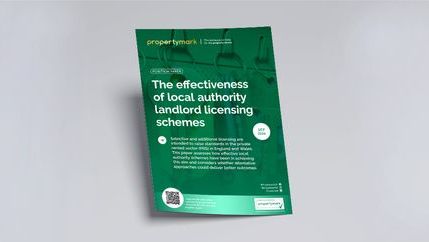
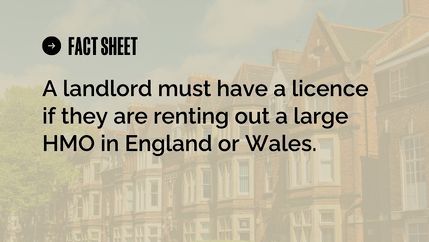
Our fact sheets and FAQs cover all the key areas members need to understand, including landlord licensing, and the Renters’ Rights Act.



Become a member
Membership gives you the credibility of being part of a respected association with over 18,000 members.