What the Bill would change
The Council Tax (High Value Dwellings etc.) (Scotland) Bill proposes to add two bands above Band H from 1 April 2028.
|
New band |
Open market value |
Illustrative annual bill |
|
Band I |
More than £1 million and up to £2 million |
Around £4,770, or £720 more than the average Band H bill |
|
Band J |
More than £2 million |
Around £7,650, or £3,600 more than the average Band H bill |
The Scottish Government estimates that around 12,940 homes could enter Band I and 660 could enter Band J. Together they account for less than 1% of homes in Scotland.
Valuations need to stand up to challenge
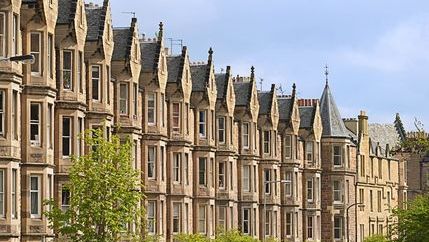
High-value homes often have few comparable sales. Some are unique and may not have changed hands for decades. Automated estimates could miss features that affect a home’s value. We called for site visits to check the condition of each home and any changes made to it, and for enough qualified assessors to do the work, including in rural areas.
A small difference in value near either threshold could mean a much higher bill. We expect this to lead to appeals, which could cause backlogs. The cost of running the new bands, handling appeals and any payment deferrals could reduce the financial benefit to councils.
We are also concerned about owners, particularly older people, whose homes have risen in value over many years while their incomes have not kept pace. Some may struggle to pay a higher bill or afford the cost of moving to a home that better suits their needs.
We want a wider review of property taxes
Scotland’s existing council tax bands still use 1991 values. We want the new bands to form part of a wider revaluation and a review of how property taxes affect people’s ability to move. We have called for cuts to Land and Buildings Transaction Tax and the Additional Dwelling Supplement to make moving more affordable and support the housing market.
The impact will vary across Scotland, with Edinburgh and some rural areas likely to be more affected. We want clarity on how the extra revenue will be shared between councils and a clear link between the tax people pay and the local services it funds. We have also asked the Scottish Government to work more closely with the property sector on the plans.
Councils could reduce bills in exceptional cases
From 1 April 2028, councils could set up schemes to reduce bills, including to zero. They could use these powers after a flood, fire or other household crisis where existing exemptions, discounts or reductions do not meet the household’s needs.