

Healey must unfreeze LHA as older renters cut essentials
New evidence that pensioners are going without food and heating adds greater urgency to our longstanding call for the UK Government to re-link Local Housing Allowance (LHA) to market rents. At the Autumn Budget on 28 October 2026, the Chancellor must restore rates to cover at least the cheapest 30% of local rents, backed by annual increases to prevent support from falling behind again.
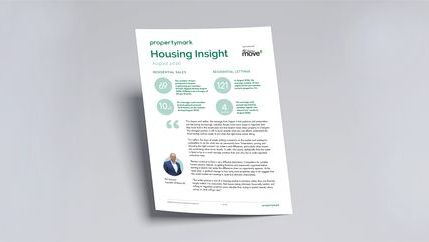
Housing Insight Report: August 2026
August’s figures reveal a housing market where activity continues, but buyers are taking a more cautious approach, making realistic pricing and negotiation increasingly important. Meanwhile, growing tenant demand and limited rental supply continue to create challenges across the lettings market, highlighting the different pressures facing buyers, sellers, landlords and renters.
Fact sheet: Succession periods
The Housing (Scotland) Act 2025 changes the qualifying period for certain people to inherit a tenancy following a tenant’s death. Our fact sheet explains the changes and the conditions that must be met.
Fact sheet: Payments for wrongful termination
The Housing (Scotland) Act 2025 significantly increases the compensation landlords may have to pay for wrongfully ending a Private Residential Tenancy. Our fact sheet explains the changes and when a Wrongful Termination Order may apply.

From agent regulation to housebuilding: what the 2026 party conferences mean for the property sector
Housing was firmly at the centre of this year's political conference season, with the major parties setting out competing visions for home ownership, renting, planning reform and economic growth. While Labour's position as the party of government meant it made announcements with the most immediate implications, conferences across the political spectrum provided important insight into how housing policy may evolve in the coming years.

Labour Conference 2026: Key announcements on leasehold reform and agent regulation
The UK Government has used the Labour Party Conference to set out a series of significant housing and property sector reforms, including tougher action against landlords who fail to maintain their properties and confirmation that the regulation of property agents will be introduced. These plans are likely to have far-reaching implications for Propertymark members working across the sales, lettings and property management sectors.

Taking member voices to the heart of the latest housing announcements
Prime Minister Andy Burnham has proposed a new scheme to allow first-time buyers in England to purchase a new-build home with a 2.5% deposit, along with plans to let councils intervene sooner when homes stand empty, and a £210 million package to bring disused high street buildings back into use. Propertymark’s Policy and Campaigns Team is at the Labour Party conference to discuss these announcements directly with MPs and explain how members and their clients could be affected.

Making Tax Digital: November deadline approaches as more landlords prepare to join
Landlords and sole traders already using Making Tax Digital (MTD) for Income Tax must send their second quarterly update to HMRC by 7 November 2026. The rules will extend to more people from April 2027, so letting agents can help landlord clients prepare now.

Equipping agents to lead informed conversations on pet-friendly tenancies
Across the UK, finding a suitable rented home can be more challenging for pet owners, especially when landlords are concerned about potential damage, noise, or cleaning costs. Battersea identifies housing as one of the main reasons animals are given up to its care, but the perceived risks of allowing pets can differ from the reality. Our new Renting with pets guide sets out practical ways to assess requests, manage risks, and build clear agreements that support successful tenancies.

New AML strategy signals closer scrutiny for property sector
Property agents will remain firmly on the frontline of the fight against economic crime as plans are afoot to strengthen anti-money laundering supervision, improve intelligence sharing and consider changes to the rules covering letting agents.

Housing Insight Report: July 2026
Sales and lettings activity remained steady in July 2026, with buyer demand increasing and more homes available for sale, although most properties sold below asking price and transactions continued to take longer to complete. In the rental market, demand remained far higher than supply, with rents rising slightly and rental arrears increasing.
Rent guarantor: the importance of consumer choice
As the dust settles following the implementation of the Renters’ Rights Act, lettings agencies are finding alternative ways to mitigate uncertainty and financial risk for landlords. A range of services are growing in popularity that replace traditional, abolished methods like rent in advance, not least professional rent guarantor provision. This service offers reassurance for good tenants who can afford the rent but don’t quite meet the right criteria on paper, including students, self-employed people or those on benefits, or retirees.

Propertymark calls for tax cuts as Scotland plans new council tax bands
To reduce the tax burden on the housing market rather than introduce further changes in isolation, we warn the Scottish Government that plans for two new council tax bands risk adding complexity while doing little to increase revenue.

Issue 64: Autumn 2026
Hot topics we've delved into as the weather starts to cool for autumn include why the human touch is even more valuable now AI exists in all aspects of daily life and how to build a business by building an empowered team. The opportunities in our sector are great; by staying connected and working together we can shape what comes next.

Awaab’s Law guidance sets out new damp and mould duties in Scotland
Letting agents in Scotland should review their reporting, inspection, and repair processes after the Scottish Government published new guidance to support the Investigation and Commencement of Repair (Scotland) Regulations 2026, which come into force on 6 October 2026. The Regulations apply to private rented homes covered by the Repairing Standard, as well as relevant social housing.
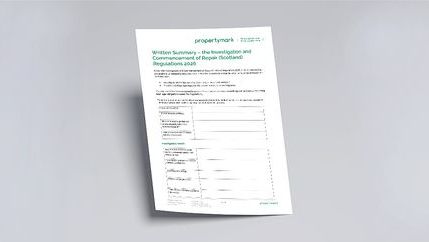
(Scotland) Written Summary of Damp and Mould Investigation – Template
Under the Investigation and Commencement of Repair (Scotland) Regulations 2026, landlords must investigate reports of damp or mould within set timescales and provide tenants with a Written Summary of the investigation findings.