
Our conversations will focus on the details still to be settled: whether the buyer scheme will work for those it aims to help, the resources councils will need to bring empty homes back into use, and how commercial agents can help make high street regeneration successful. We will put members’ experience and interests in front of the people shaping these policies as the plans develop.
First-time buyer scheme to be confirmed at Budget
The proposed Your First Home scheme would offer a government-backed equity loan worth 20% of the purchase price to eligible first-time buyers purchasing from a participating developer. The loan would have an initial interest-free period and could reduce monthly costs compared with taking out a 95% mortgage, as well as lowering the deposit needed to buy.
The scheme is due to be confirmed at the Budget on 28 October 2026. Household income and local property price caps, the length of the interest-free period, the full costs and the launch timetable have yet to be announced.
Propertymark has highlighted the difficulty of saving a deposit while renting, particularly for buyers without family support. Targeted financial help can make a difference, but our evidence to MPs stresses that lasting improvements in affordability also depend on delivering suitable homes, improving access to mortgage products, and making the buying and selling process work better. Buyers need clear information about the full costs and risks of any support scheme.
We are pleased to see measures to support first time buyers onto the property ladder. The deposit barrier is a key issue that needs to be tackled as we highlight to the House of Commons Housing Committee’s recent inquiry into the affordability of homeownership.
Looking ahead, the UK Government must not lose sight of the fact that not all first time buyers purchase new build properties. Additionally, stimulating the buying and selling of second hand homes can ignite more activity in the wider housing market and bring further economic benefits.


Councils to act sooner on empty homes
The time a home must stand empty before it can qualify for an Empty Dwelling Management Order (EDMO) could be reduced from two years to six months. An EDMO allows a council to take over management of an empty home and return it to occupation for up to seven years whilst the owner retains ownership. Requirements to provide evidence about matters such as antisocial behaviour or community support when applying to the Residential Property Tribunal would also be removed, and the UK Government is exploring further changes to the system. No commencement date has been given.
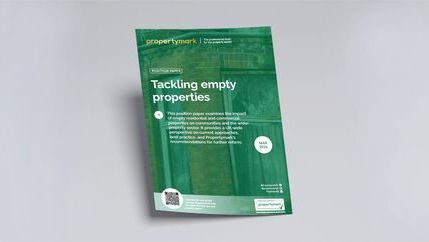
In our position paper on tackling empty properties, Propertymark identified more than 359,000 homes across the UK that had been empty for over six months. We have called for councils to make better use of existing powers, alongside practical advice and financial support for owners, dedicated local capacity and cooperation with property professionals. Shortening the EDMO threshold could help councils intervene earlier, but effective use of the power will depend on the resources and approach available locally.
Multi-million package for vacant high streets
A new £125 million Derelict Buildings Fund will support local authorities to turn unused buildings into facilities their communities need, such as health centres and civic spaces. The wider £210 million package also includes £65 million to help communities rescue and refurbish buildings and businesses at risk of closure, including pubs and sports clubs. A further £20 million will be divided equally between High Street Rental Auctions and a new Co-operative Development Programme.
High Street Rental Auctions give councils a route to let commercial premises that have been vacant for at least 12 months. Propertymark has supported action to fill empty shops, which can damage footfall and neighbouring businesses. We have also called for councils to involve qualified commercial agents and ensure that schemes reflect local market conditions and support viable, lasting uses for the premises.