A practical contribution to housing supply
While planning reform and new build targets dominate debate across the UK, returning empty homes to the market is one of the fastest ways to increase available housing.
We will continue our long-standing engagement with the UK and devolved governments to campaign for a more coordinated and proactive approach to tackling empty homes. Our key recommendations include:
-
Strengthening local authority resources, including funding and dedicated empty homes officers
-
Encouraging greater use of existing enforcement powers
-
Expanding financial incentives and support schemes to help owners bring properties back into use
-
Promoting best practice across the UK, including partnership working and data sharing, with professional agents should be recognised as key delivery partners
-
Ensuring policies reflect regional differences in housing demand and vacancy

Empty properties are a missed opportunity
Across the UK, more than 359,000 residential properties have been empty for over six months, representing a significant untapped housing resource.
At a time of acute housing need, these homes could provide safe and stable accommodation for individuals and families. Leaving properties empty not only wastes housing stock but also undermines efforts to reduce homelessness and improve access to housing.
Empty properties arise for a range of reasons, including inheritance disputes, changing personal circumstances, failed investments, and wider market conditions. In some areas, second homes and seasonal demand also contribute to long-term vacancy.
Impact on communities and the housing market
Vacant properties are more likely to fall into disrepair, attract anti-social behaviour, and reduce neighbouring property values. They can also deter investment and negatively affect community wellbeing.
For landlords and owners, empty properties create ongoing financial pressures. Costs such as mortgages, insurance, and maintenance continue, but without rental income. Over time, this can reduce the value of the asset and limit opportunities to reinvest elsewhere.
Current tools are underused
A range of existing measures designed to tackle empty homes, including council tax premiums, Empty Dwelling Management Orders (EDMOs), and Compulsory Purchase Orders (CPOs).
However, these tools are often underutilised, especially EDMOs, and there is inconsistency across the UK. While some local authorities are using financial penalties and grants effectively, others lack the resources or strategy to act.
Local authorities need stronger support
Fewer than half of local authorities have an empty homes strategy in place, and only a quarter have a dedicated budget for this work.
Councils play a vital role in identifying empty properties, supporting owners, and using enforcement powers where necessary. However, this requires sufficient funding, staffing, and a clear strategic approach.
Examples from across the UK demonstrate what can be achieved. Initiatives such as grant schemes in Wales and the Scottish Empty Homes Partnership show how targeted support and coordination can help bring properties back into use.
Tackling empty properties
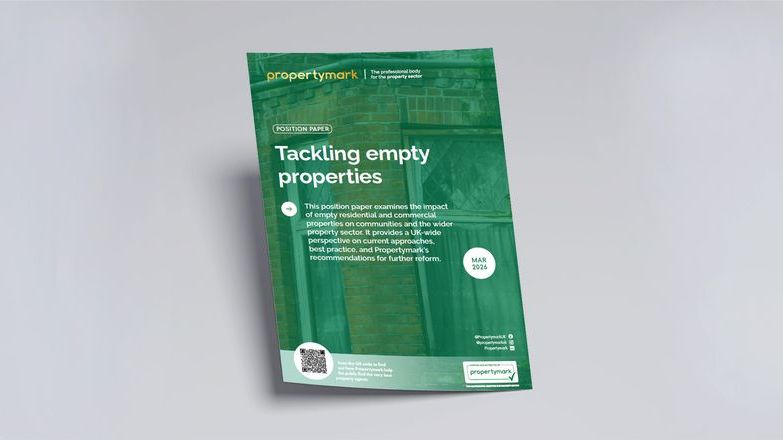
The UK has more than 359,000 homes sitting empty for over six months. Long-term vacancy represents a wasted asset at a time of acute housing need, while also contributing to social decline, increased maintenance costs, and reduced local investment. A more strategic, well-resourced approach is essential to bring empty properties back into use and support thriving, sustainable communities.