The move builds on the work of the Scottish Empty Homes Partnership (SEHP), which is funded by the Scottish Government. The scheme is a positive and practical intervention at a time when Scotland’s housing pressures are acute and supply pipelines are under strain. Returning empty homes to use is one of the fastest, most efficient ways to boost local housing options and improve neighbourhoods.
We welcome the national rollout, which aligns with our wider campaigns for:
- increasing housing supply across all tenures
- supporting local authorities to reduce empty homes
- ensuring communities benefit from well-managed, professionally marketed properties
Why Scotland is targeting empty homes
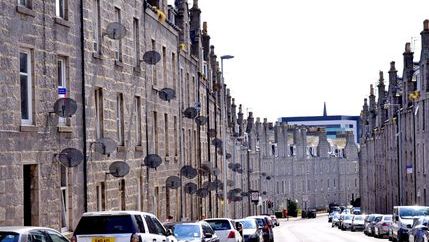
Long-term empty properties continue to rise in many areas, with more than 43,000 homes empty for six months or more and over 27,000 empty for more than a year.
For communities, the benefits are immediate: reducing anti-social behaviour, improving neighbourhood appearance and increasing footfall for local services. For housing providers, it helps ease pressure on waiting lists, particularly in areas where new development is constrained.

How matchmaking works
Based on SEHP’s existing model, the national service will collect details from owners willing to sell or work with renovation-minded buyers, register interested purchasers and developers who are specifically seeking properties in need of investment, and match both parties based on property type, location and renovation appetite. Owners and buyers will also be signposted to relevant local authority support such as grants, loans, or Empty Homes Officer advice.
Local matchmaker schemes have already proven effective. Aberdeen’s Matchmake to Rent and Matchmake to Sell initiatives have allowed buyers to bring dozens of long-term empty properties back into use. Similar schemes in Perth & Kinross and North Lanarkshire have delivered additional affordable homes and helped tackle local housing shortages.
Council Tax on empty homes
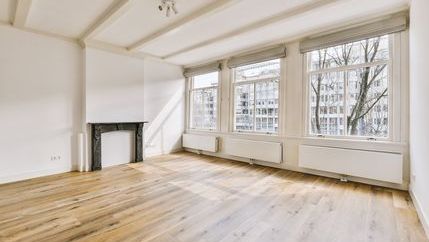
When a home becomes empty, the owner is entitled to a discount of between 10% and 50% (depending on the local authority). Unfurnished properties could be totally exempt from council tax for the first six months. If the property is undergoing major repair or structural alterations, the exemption may extend to 12 months
After a year, an empty home premium of up to 100% could be applied. However, if a property is being actively marketed for sale or rent, the premium cannot be applied until the property has been empty for two years.
The rules are similar for buyers, with a discount of up to 50% for the first six months if they can show that the property is undergoing repairs or renovations. After six months local authorities can extend the discount if they are satisfied that the work is still ongoing. If they do not extend the discount, the property may become liable for the council tax premium.