
Our new best practice guide gives members a practical overview of the key issues to consider, including Ground 1A, marketing during notice periods, selling with tenants in situ, legal documentation, material information, tenant communication and the risk of misleading buyers.
Members are encouraged to read the guide and use it to support conversations with landlords, buyers and professional partners.
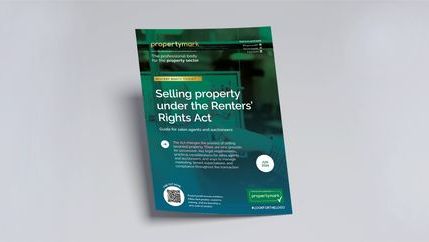
Selling property under the Renters’ Rights Act
The Act changes the process of selling tenanted property. There are new grounds for possession, key legal requirements, practical considerations for sales agents and auctioneers, and ways to manage marketing, tenant expectations, and compliance throughout the transaction.
Selling with vacant possession
Mandatory possession Ground 1A works when a landlord intends to sell their property. However, they cannot use this ground to ask a tenant to leave within the first 12 months of a new tenancy (signed on or after 1 May 2026).
Once that 12-month period has passed, landlords must give four months’ notice before applying to court for possession. Even then, agents should make clear that serving notice does not guarantee possession by a fixed date, as court capacity and enforcement delays may affect timelines.
Ground 1A must only be used when the landlord has a genuine intention to sell. Agents should advise sellers to keep clear records, including property particulars, advertisements, solicitor correspondence, and other evidence showing that the property is genuinely being prepared for the market.
Marketing must be accurate
The Act does not prevent a rented property being marketed during a notice period, but agents must avoid implying that vacant possession is guaranteed.
Use careful wording to describe the situation, such as “subject to vacant possession” or “notice served”, rather than presenting the outcome as certain. This is particularly important for auctioneers, where catalogue entries, legal packs, and special conditions must accurately reflect the tenancy position.

Selling with tenants in situ
Ending the tenancy is not always the only option. In some cases, selling with tenants in situ may be a practical route, especially where the buyer is another landlord.
This can appeal to investors because the property generates rental income immediately and avoids a void period during conveyancing, although the pool of potential buyers may be smaller, so the marketing strategy and pricing must reflect this.
Establish the tenancy position early
Sales agents and auctioneers should establish key details at the start, including whether the property is let, what type of tenancy is in place, when it began, whether notice has been served, who served it, and which ground has been used.
This information affects valuation, buyer targeting, marketing copy and legal documentation. It also helps prevent misunderstandings later in the transaction.