They introduce clear deadlines for landlords to investigate reports of damp or mould, communicate findings to tenants and begin any required work. Agents managing homes on a landlord’s behalf will be central to making sure these duties are met in practice.
Propertymark support for members
We have consistently called for clear, proportionate requirements that protect tenants while recognising the practical challenges agents and landlords may face. Throughout the development of the Regulations, we’ve engaged with policymakers on issues including written summaries, specialist capacity, and rural supply chains.
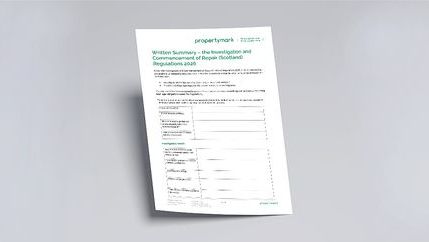
Members can download our updated Fact Sheet: Damp and mould in Scotland, including a practical overview of the new timescales. We have also produced an editable Written Summary of Damp and Mould Investigation template to help members communicate investigation findings clearly and consistently.
For more in-depth learning, our Awaab’s Law: damp and mould in lettings course covers the legal context, hazards, investigation and appropriate action. It is available as a virtual classroom course or bespoke in-house training.
Read the Scottish Government’s full guidance for landlords →
Landlord responsibilities
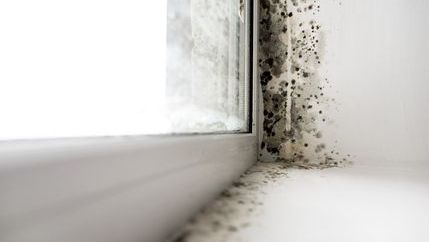
Once a private landlord becomes aware that a home may be affected by damp or mould – through a tenant report, a routine visit, a contractor, or another source (not just from a formal complaint) – they must:
- ensure that a competent person investigates within ten working days
- provide the tenant with a written summary of the investigation findings within three working days of the investigation ending
- begin repair work within five working days if substantial damp or mould is found, and ensure work is completed as soon as reasonably practicable.
Landlords must not assume damp or mould is caused by tenant behaviour and dismiss a report without investigation. Everyday activities such as cooking, washing, and drying clothes are unavoidable. If household factors are contributing, landlords should work with tenants to understand the circumstances and offer relevant advice and support.
Our Damp, Condensation, and Mould in Residential Property fact sheet explains what can contribute to the problem and gives simple steps to prevent issues arising.
What this means for letting agents
Although the legal duties fall on landlords, agents acting for them should make sure their management arrangements support compliance. This includes having a clear route for tenants to report issues, recording the date and source of every report, and knowing when the statutory timescales begin.
Agencies should also consider whether they have suitable arrangements with competent contractors and specialists, particularly where further investigation is needed. Keep clear records of contact with tenants, inspections, efforts to arrange work, findings, decisions and repair progress.
Circumstances beyond a landlord’s control could prevent them from meeting a deadline, such as severe weather, lack of access, illness, or unexpected supply-chain issues. In these cases, the landlord must tell the tenant in writing which duty cannot be met, why, and when they expect to comply. They must also take reasonable steps to minimise the impact of damp or mould in the meantime.
The Scottish Government guidance states that private landlords must have regard to it when assessing whether a home meets the Repairing Standard. This makes it an important practical reference for agents supporting landlords with repairs and property-condition issues.