Propertymark supports decisive action to prevent tragedies linked to poor housing conditions, and we urge the Scottish Government to work closely with agents and landlords to ensure new requirements are practical, proportionate, and supported by the right skills and resources.
What’s in the regulations?
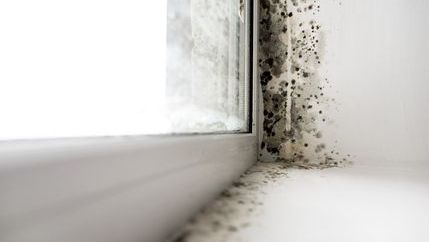
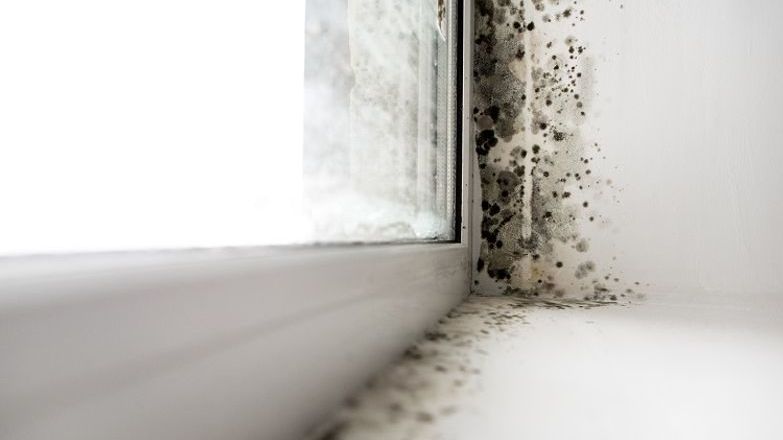
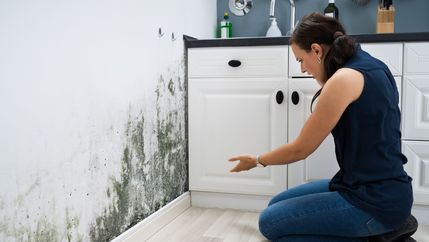
The Investigation and Commencement of Repair (Scotland) Regulations 2026 will amend Scotland’s Repairing Standard and set out how property managers must respond when a tenant reports a repair issue that could affect health, including damp, condensation and mould.
They introduce clearer expectations on investigating reported hazards within a defined timeframe, providing tenants with a written summary of findings, and beginning necessary repair works within prescribed periods where hazards are identified.
The intention is to ensure issues related to damp and mould are taken seriously, assessed promptly, and actioned before conditions deteriorate and pose a risk to occupants.
Our engagement with policymakers
Propertymark has been actively engaging with both the Scottish and UK Governments as Awaab’s Law-style requirements are developed across different housing systems.
In discussions with MSPs, we have raised several practical concerns, including:
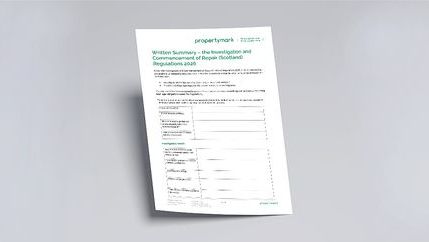
- What constitutes a “written summary” of findings – Propertymark has suggested a standardised form to ensure consistency and reduce disputes
- Access to suitably qualified specialists, such as damp and mould surveyors, within fixed timescales
- Supply chain pressures, particularly in rural and island communities
We have also written to UK Housing Minister Steve Reed, MP, to seek clarity on how similar duties will apply in the private rented sector in England, stressing that lessons from Scotland must inform any UK-wide approach.
Our position remains clear: strong tenant protections must be matched with realistic implementation, clear guidance and support for landlords and agents who are trying to do the right thing.
Supporting members
For letting agents and property managers operating in Scotland, the Regulations reinforce the importance of treating reports of damp and mould as a priority and keeping clear records of investigations, findings and actions taken.
Effective communication with tenants is also essential, as is ensuring landlords clearly understand their responsibilities and potential risks.
Propertymark offers a range of guidance and training to help members stay compliant and confident:
- Fact sheets on the Repairing Standard, damp, condensation and mould
- Practical guidance on identifying causes of damp and managing tenant reports
- Training opportunities, including learning focused on housing conditions and legal responsibilities
We will continue to update members as the Scottish Government releases supporting guidance and as implementation timelines become clearer.
Awaab's Law: damp and mould in lettings
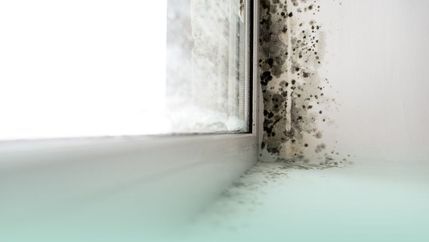
To bring property agents and landlords up to date on Awaab’s Law and to give you the confidence to determine the appropriate actions necessary to help rectify issues.