
Progressive taxation
A Proportional Property Tax (PPT), paid annually by owners and based on property value, would remove two major barriers in the housing market. Stamp Duty can discourage people from moving, particularly those who want to downsize or move to a more suitable home. Council Tax is also considered to be regressive because the amount paid does not rise in line with the value of the property.
The report estimates that a PPT could save the average London renter £24,000 over ten years, save a first-time buyer an average of £8,593 in their first five years, and raise an additional £912 million a year for social housebuilding in London.
It also says abolishing Stamp Duty could unlock 79,000 additional homes each year, including 24,000 three- and four-bedroom properties, by making it easier for people to move.
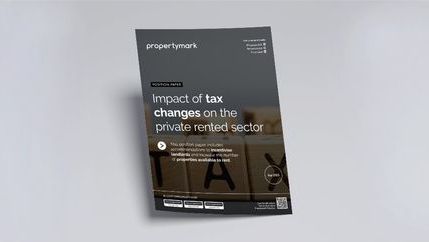
This links closely with Propertymark’s long-standing position that tax policy must support, rather than restrict, a functioning housing market. We have consistently called for governments across the UK to review property taxes that deter investment, reduce supply, or make it harder for people to move.
However, any major tax reform would need careful design. SDLT applies in England and Northern Ireland, while Scotland and Wales operate their own property transaction taxes. Council Tax systems also vary across the UK. A UK-wide debate on property tax reform must therefore reflect devolved responsibilities and different housing market conditions.
More social and affordable homes
The number of social and affordable homes in London has fallen by 20% per 1,000 people, increasing pressure on temporary accommodation and the private rented sector (PRS).
Across the UK, many people who need social housing are instead relying on private rented homes, increasing competition and making it harder for low-income households to find suitable accommodation.
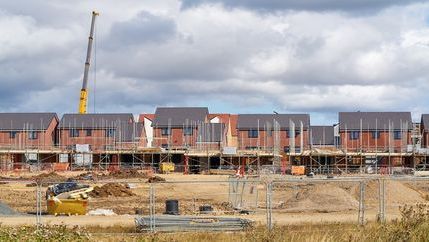
Between 1953 and 1973, the UK built an average of over 340,000 homes a year, with local authorities delivering almost half of all homes. In recent years, local authority delivery has been much lower. Rebuilding capacity in local government must be part of any serious plan to meet housing need.
Better use of existing homes
Centre for London estimates a London-wide Help to Move scheme to support older homeowners to downsize could release up to 4,000 larger homes a year.
It also proposes a new Right to Sell scheme, which would allow older homeowners to release equity to fund home improvements or care costs, while creating a longer-term route for councils to acquire homes for social and affordable rent.
Propertymark supports the principle of making better use of existing homes, but this must be supported by the right supply of suitable housing. Older homeowners will only be able to move if there are accessible, affordable and attractive homes available in the places they want to live. Local Plans should therefore reflect demand for all property types and tenures, including homes for older and disabled people.
This is a wider UK issue. Many local housing markets have a mismatch between the homes people need and the homes available. Supporting rightsizing can free up larger homes, but it must go alongside new supply, good advice, and practical support for movers.
Empty homes and stronger local powers
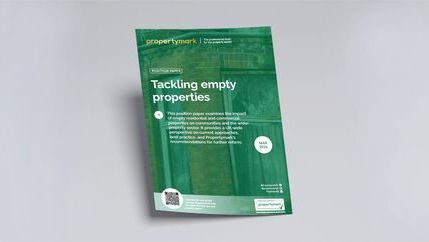
Calls for stronger tools to deal with the most dysfunctional parts of local housing markets, including long-term empty homes and properties linked to criminal landlords, are understandable, but financial sanctions alone are often a blunt instrument. Owners may need practical advice, access to grants or loans, and support from dedicated empty homes officers.
Local authorities should use existing powers more effectively, including Empty Dwelling Management Orders and Compulsory Purchase Orders where appropriate. However, these powers should be targeted and proportionate, with qualified property agents involved where their expertise can help return homes to use more quickly.
Across the UK, long-term empty homes represent a wasted asset at a time of acute housing need. Bringing more of them back into use could support local regeneration, reduce pressure on housing supply, and provide homes for people who need them.
Planning reform and support for smaller builders
Reflecting our previous recommendations to the UK Government, the report recommends unlocking more small and medium-sized sites, supporting SME builders, streamlining building standards, and creating a clearer approach to developer contributions.
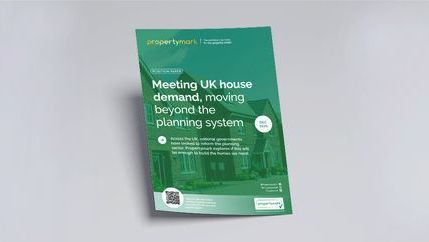
Planning reform is important, but it cannot be the only answer to the housing shortage. Focusing only on the planning system risks ignoring other barriers, including the capacity of local authorities, skills shortages in construction, and the large number of homes that have planning permission but have not yet been built.