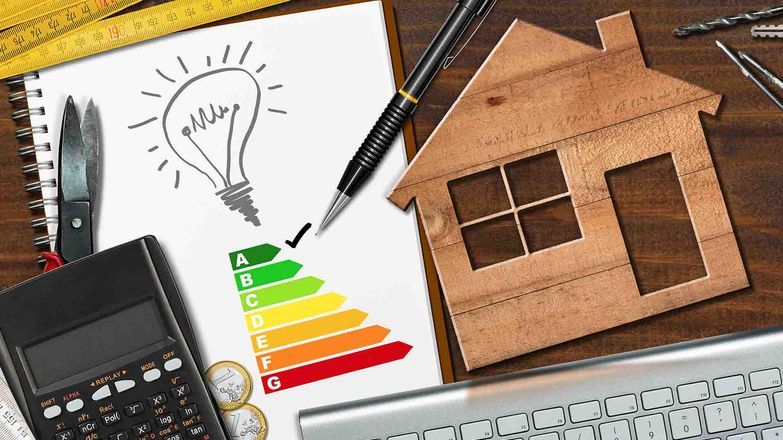
The legislation, introduced to Parliament on 4 November 2026, forms part of wider reforms designed to make energy more affordable, improve consumer protection and accelerate improvements to buildings across England and Wales.
For property agents and landlords, the most significant measures include stronger local authority enforcement powers, potential penalties of up to £30,000 for breaches of domestic energy efficiency regulations, and a new body to simplify access to advice and support for property improvements.
Tougher enforcement of energy efficiency standards
Under the proposals, local authorities will have strengthened powers to enforce Minimum Energy Efficiency Standards (MEES) across both domestic and non-domestic private rented properties. The Bill will also improve access to compliance information, helping councils identify properties that do not meet the required standards and take enforcement action.
For residential landlords, the proposed maximum civil penalty of £30,000 represents a significant financial risk for those who fail to comply once the relevant provisions take effect.
The measures will support the UK Government's requirement for privately rented homes to achieve an EPC rating of C by 1 October 2030, unless a valid exemption applies. Estimates suggest property improvements could reduce average household energy bills by £210 annually.
For letting agents, the proposals reinforce the importance of understanding the energy performance of properties they manage, advising landlords on their responsibilities and encouraging early planning for improvements.
Read the UK Government guidance on Domestic Rental Sector MEES enforcement →
Propertymark campaigning delivers more realistic targets
We have consistently supported improving the energy efficiency of rented homes while challenging proposals that could place disproportionate financial pressure on landlords and reduce the availability of rental properties.
Our campaigning helped secure important changes to the Government's original proposals, including removing the earlier 2028 deadline for new tenancies and introducing a single October 2030 compliance date.
The UK Government also reduced the proposed landlord spending cap from £15,000 to £10,000, following concerns raised by Propertymark and members about the affordability of upgrades.
However, significant challenges remain, particularly for older properties, buildings with complex construction and homes in areas where improvement costs are high relative to property values.
We continue to call for accessible funding, appropriate exemptions, sufficient flexibility and a realistic approach that recognises the diversity of the UK's housing stock. Without these safeguards, landlords could withdraw properties from the rental market rather than face substantial improvement costs, further restricting housing supply.
Warm Homes Agency to simplify access to support
Another area of the Bill will provide the legislative framework to transfer existing energy efficiency schemes and functions to a new Warm Homes Agency or another appropriate body.
Currently, homeowners and landlords face a confusing range of organisations, funding arrangements and advice services when considering insulation, clean heating systems and other energy improvements.
The proposed agency aims to provide a more straightforward, trusted source of information, helping consumers understand the improvements available and access support through the Government's Warm Homes Plan.
Propertymark has repeatedly highlighted the need for clearer guidance, better communication and accessible financial incentives to encourage property owners to invest in energy efficiency. A more coordinated approach could help agents advise clients more effectively, but its success will depend on whether landlords can access practical assistance and funding appropriate to their properties.

Warm Homes funding must match the reality of upgrading UK homes
Money must be allocated in a practical, properly targeted, and flexible way to work across the country’s varied residential stock. Improving energy efficiency is vital, but it must be achieved in harmony with the protection of housing supply, support for responsible landlords, and warmer, more affordable homes for consumers.
Commercial property must not be overlooked
The Bill's strengthened enforcement provisions will also extend to the non-domestic private rented sector, bringing additional scrutiny for commercial landlords and agents.
We have consistently raised concerns about the lack of certainty around future energy efficiency requirements for commercial buildings, including the costs of improvements, availability of exemptions and timescales for compliance; we will continue pressing for realistic implementation periods and financial support, recognising that the costs and practical challenges of improving commercial premises can differ substantially from those affecting residential properties.

Non-domestic property risks missing 2030 energy targets by a decade
Recent research from Search Acumen indicates that the commercial property sector is on track to miss the UK Government's 2030 Minimum Energy Efficiency Standards (MEES) target, with full compliance projected only by 2040. Around half of all energy consumed in commercial and industrial buildings in England and Wales is in the rented sector, placing the onus on landlords to make energy efficiency and heating improvements.
Read the UK Government guidance on Non-Domestic Private Rental Sector MEES enforcement →
Financial support must match the ambition
Propertymark has consistently called for meaningful financial incentives, including tax relief and better access to funding, alongside improvements to the EPC framework so that property owners can make informed decisions about which upgrades will deliver genuine benefits.
Our engagement with the UK Government on these topics will continue as the Bill progresses through Parliament, to ensure property agents' experiences and their clients' inform the development of the legislation.