A clearer assessment of individual homes
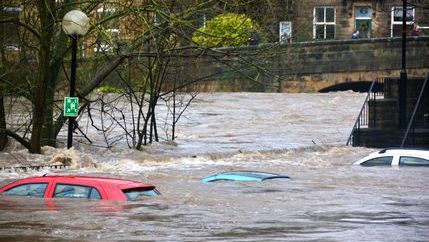
Similar in principle to Energy Performance Certificates, FPCs are intended to bring together information about flood exposure, a building’s characteristics, and its resilience. The pilots will test how this information can be assessed, presented, and used by homeowners, insurers, and lenders. Importantly, the announcement does not introduce a requirement to obtain an FPC before selling or letting a home.
The technical framework considers risks from rivers, the sea, surface water, and other sources, alongside features such as construction, basements, and the lowest point where water could enter. It also considers measures that keep water out or reduce damage and recovery time if it enters.
Assessments would become more detailed where needed. The framework starts with public data and homeowner information, with remote review or a specialist site survey where risks or uncertainties warrant further investigation.

Helping buyers and renters make informed choices
A standard assessment could help buyers understand the risk a home faces and identify any preventative work they should consider when planning their budget. The same information could help tenants understand how a home is protected and what flood preparations may be needed if they lived in the property.
More consistent evidence could also help insurers recognise effective resilience improvements. However, lower premiums are a potential benefit, rather than a guaranteed outcome for each property.
Affordable insurance must reach more households
FPCs form part of wider reforms to Flood Re, the scheme that helps insurers provide affordable flood cover for eligible households. However, a resilience assessment and eligibility for Flood Re are separate issues: agents should not assume that a certificate will give a property access to the scheme.
Preparing for conversations with clients
As the scheme develops, agents will need to ask sellers and landlords about previous flooding, existing assessments, and any resilience work. Keeping this information together will help to efficiently answer enquiries and share evidence with buyers, tenants, and their advisers.
Documentation will matter. The technical framework calls for a post-installation flood risk report to verify existing protection, with professional verification potentially needed where that report is unavailable. Agents should encourage owners to retain reports, specifications, invoices, guarantees and maintenance instructions.
Any future certificate should be explained alongside the underlying flood information. Resilience measures can limit damage, but their presence should not be presented as a guarantee that a home will never flood. Likewise, agents should avoid promising cheaper insurance or mortgage approval on the strength of a certificate.
For letting and managing agents, the framework’s emphasis on maintenance also suggests a practical role in helping owners retain instructions and ensuring tenants understand any protection they may need to operate.