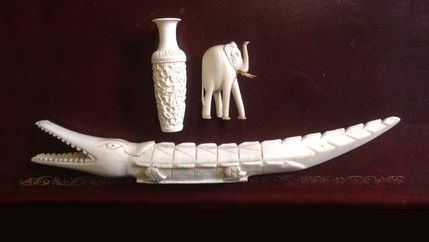
The review also reflects the wider extension of the ban in January 2025, which broadened the definition of ivory to include species such as hippopotamus, narwhal and whale-derived. This expansion marked a significant shift from the original elephant-focused legislation and brought more antique and inherited items into scope.
Registration and exemption are mostly understood
According to the review, over 22,000 items have now been registered, with most falling under the de minimis exemption (less than 10% ivory content and made before 1947).
Compliance levels among professional sellers, including antique specialists and auction houses, were reported as generally strong, reflecting improved awareness since the Act came into force.
However, unregistered ivory continues to surface, particularly in informal sales channels and private online listings. Enforcement bodies have taken a targeted approach to date, but enforcement activity is expected to increase, supported by intelligence-led monitoring.
A clear direction of travel
The sector is trending toward higher accountability and documented compliance rather than assumed understanding. This aligns with the wider regulatory shift toward transparency and documentation already seen in areas such as Material Information requirements and home buying and selling reform.
If an item contains ivory, agents should assume it is regulated. Registration, specialist verification, or professional valuation should be sought before marketing if there is any doubt about the details.
While most property professionals do not routinely handle ivory, it can appear in:
- estate clearances
- high-value home contents
- probate sales
- valuations where antiques form part of a listing
- furnished property transactions
Under the Act, advertising ivory is treated the same as selling it, meaning agents may be liable even if they do not own the item. Marketing a property that includes a piano with ivory keys, clocks, fittings or decorative items without the correct certification could therefore constitute non-compliance.
For agents, the key considerations remain:
- Only exempt or registered ivory may be sold or advertised.
- Certificates or registration numbers must be retained.
- Inherited or gifted items cannot be sold without exemption or registration, even if they have been in a household for generations.
Awareness and understanding are essential
The UK Government’s review concludes that the legislation is working broadly as intended, though improvements in enforcement, public awareness and digital reporting systems may follow over the next review cycle.
Propertymark guidance issued earlier in 2025 emphasised the importance of correctly identifying ivory and understanding the expanded scope of the regulations before listing or cataloguing items.
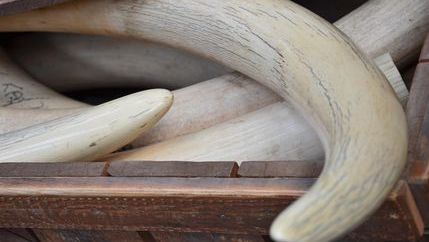
Extended Ivory Act regulations will take effect on 28 January 2025
Trading in ivory from the common hippopotamus, killer whale, narwhal and sperm whale will now be banned under The Ivory Act 2018 (Meaning of “Ivory” and Miscellaneous Amendments) Regulations 2025. The new legislation was originally laid in parliament in May 2023, under the previous UK Government, but implementation has been delayed due to a lack of parliamentary time.
We have a detailed fact sheet that breaks down the legislation, highlighting the changes, who it applies to, and what agents need to do, available for individual Propertymark members.

Fact sheet: Ivory Act 2018
The purpose of the Ivory Act is to prohibit commercial activities concerning ivory in the UK and the import and re-export of ivory for commercial purposes to and from the UK. This includes intra-EU trade to and from the UK.