
Housing is fundamental to economic growth. A functioning market helps people move for work, supports recruitment, and creates activity for agents, conveyancers, surveyors, tradespeople and local businesses.
We want the 2027–28 Budget to prioritise housing supply, investment in the private rented sector, energy efficiency, professional standards, digital public services, and building safety. A preventative approach that improves housing quality, brings empty homes back into use and strengthens enforcement can reduce pressure on public services while supporting healthier, more resilient communities.
This builds on our earlier warning that, despite positive funding increases in the 2026–27 Budget, housing pressures will persist unless tax and investment policy support a sustainable supply of homes across Wales.

Costs are mounting for agents and housing providers
Estate and letting agents are managing higher employment, compliance, anti-money laundering, technology, insurance, and training costs. These pressures can be particularly acute for smaller independent businesses.
We support measures that raise standards and protect consumers. However, new requirements must be proportionate, consistently enforced, and deliver clear benefits for consumers and the housing market.
We also highlighted the costs associated with Rent Smart Wales, including licensing fees, training, and wider compliance. Regulation must offer value for money and avoid placing disproportionate burdens on responsible agents and landlords.
Tax policy must support, not restrict, housing supply
The higher rates of Land Transaction Tax (LTT) on additional residential properties start at 5% and rise to 17%. Although intended in part to discourage second-home ownership, these rates also apply to landlords and investors providing homes to rent.
We have asked the Welsh Government to review the effect of these taxes on the whole housing market. High transaction costs can make it harder for landlords to invest or remain in the private rented sector, while tenants may face higher rents as costs are passed on.
Our response calls for the higher LTT rates on additional residential properties to be reduced. In the longer term, we believe the Welsh Government should consider reducing and ultimately phasing out LTT on property transactions to support housing mobility and the wider economic activity that comes from people moving home.
Wales also has no specific LTT relief for first-time buyers. We have urged Ministers to consider targeted support for buyers who can afford mortgage repayments but face difficulty meeting deposits and transaction costs.

Invest across every housing tenure
Funding should support homes to rent, buy, and live in at every stage of life. We called for investment in planning capacity, infrastructure and local development plans so that new homes can be delivered in the places they are needed.
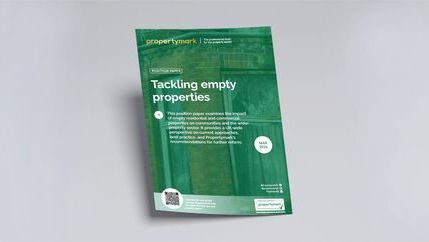
Empty homes are another important part of the answer. Council tax premiums can play a role, but taxation alone will not bring long-term vacant properties back into use. Local authorities need resources, including dedicated empty homes officers, alongside grants and tailored incentives to work with owners and return properties to occupation.
We also stressed that energy-efficiency policy must reflect the reality of Welsh housing. Many homes are older, harder and more costly to retrofit. Grants, low-interest finance and practical advice must be available to landlords as well as homeowners, so that improvements do not unintentionally lead to fewer rented homes.
Focus on delivery before further reform
The Renting Homes (Wales) Act 2016 and subsequent changes have brought significant reforms for landlords, agents and tenants. We believe the immediate priority should be implementation, enforcement and evaluation of these measures before introducing another major layer of regulation.
In particular, proposals on rent controls or ‘fair rents’ should be approached with caution. Restricting rents without tackling the underlying shortage of homes risks reducing investment and supply. Increasing the number of homes and supporting households with housing costs offers a more sustainable long-term solution.
Every major housing intervention should be tested against three questions:
- Will it increase or reduce the supply of homes?
- Will it make housing more or less affordable?
- Will it encourage or discourage long-term investment?

Professional standards and effective enforcement
Investment in the professionalisation of property agents, including mandatory regulation and a minimum Level 3 qualification requirement, would establish a clear baseline for consumer protection and help improve consistency across the sector.
Local authorities, Rent Smart Wales, and Environmental Health Officers must also have sufficient resources to enforce existing rules effectively. Enforcement should be targeted and supported by clear guidance, allowing intervention before poor housing conditions become more serious and costly.