
A House of Lords Library briefing on home ownership in England, published on 14 August 2026, reports that, after falling sharply following the financial crisis, the ownership rate has recovered slightly but has remained broadly flat in recent years. Nationwide data cited in the briefing shows that first-time buyer activity was 20% higher in 2025 than in the previous year. However, the average age of a first-time buyer has risen from 31.4 in 2003/04 to almost 34 in 2024/25.
A joined-up approach is vital
The evidence demonstrates that there is no single explanation for the fall in home ownership and no single policy that will reverse it. Building large numbers of homes without considering local demand risks creating the wrong mix of property in the wrong places. Supply must include homes that people can afford and be supported by the services that make communities sustainable.
Buyers also need suitable mortgage products, a faster and more transparent transaction process, and confidence that the home they purchase will remain affordable and saleable.
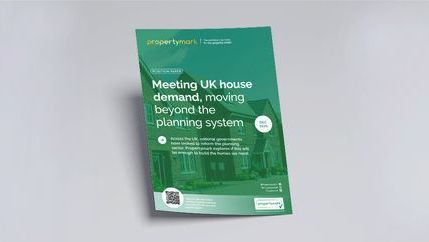
Propertymark’s position paper on meeting UK housing demand calls for action to:
- enable local authorities to play a greater role in building homes, particularly affordable housing
- support small and medium-sized developers through a simpler planning process and targeted financial incentives
- address shortages in the construction workforce through a national recruitment and skills campaign
- review sites where planning permission has been granted but development has not started
- base Local Plans on evidence of the homes, tenures and specialist housing needed in each area
- coordinate development with transport, education and other essential infrastructure.
Affordability remains a major barrier
The long-term gap between house prices and earnings is central to the problem. In 1999, the average home in England cost 3.96 times average earnings. The ratio peaked at 9.06 in 2021 before falling to 7.63 in 2025 as earnings grew faster than house prices.
There are also wide regional differences. An average-priced home in the North East costs around five times average earnings, compared with 10.6 times in London. National figures can therefore hide very different conditions for buyers and agents in local markets.
Deposits present a further hurdle. In 2024–25, the median first-time buyer deposit was £36,500. Almost a third (31%) received help from family or friends, and 6% used inheritance funds .
Housing delivery remains below the level required
The UK Government has committed to delivering 1.5 million homes during the current Parliament, which would require around 300,000 additional homes each year. An estimated 199,500 net additional homes were delivered in England during 2025–26: well below the required rate.
The Lords Library also highlights that the location and type of development matter. Between 1996 and 2021, the number of homes in England broadly kept pace with growth in the adult population. However, development did not always take place where demand was greatest, particularly in London and other high-cost areas.
New rules target well-connected locations
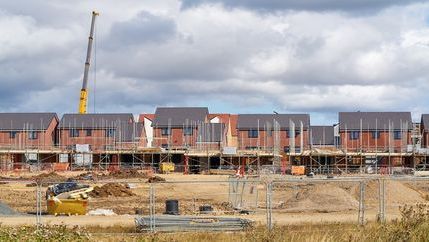
The revised National Planning Policy Framework (NPPF) introduced on 17 August 2026 creates a default ‘yes’ for suitable housing within reasonable walking distance of well-connected train, tram, and underground stations, and sets minimum expectations for housing density in these locations.
The reforms aim to make better use of underdeveloped land while allowing more people to live close to employment, education, and essential services. They also reduce some consultation and information requirements, to allow planning decisions to be faster and more proportionate.
This approach responds to the uneven pattern of development identified in the Lords Library briefing and reflects Propertymark’s call for housing and infrastructure to be planned together. However, planning support alone does not guarantee that homes will be completed or that developments will provide the mix of housing needed locally.

Housing pipeline remains under pressure
The latest Home Builders Federation’s Housing Pipeline Report, published on the same day as the NPPF, found that just over 54,000 homes were granted planning permission in England during the first quarter of 2026. Only 1,220 private housing sites received approval; the lowest quarterly number since the dataset began in 2006 and 17% fewer than a year earlier.
There has been some growth in approvals for the smallest developments, but these accounted for only 3% of all homes granted permission. Larger schemes also had a significant influence on the total, with four developments of more than 1,000 homes supporting the first-quarter figures. Projects of this scale can take longer to complete because of their complexity and infrastructure requirements.
The findings show why the impact of the revised planning framework will need to be monitored closely. A default approval for suitable development near stations could strengthen the pipeline, but planning policy cannot address every barrier affecting site viability and delivery.
The route into ownership must also work better
Increasing supply and improving mortgage access will have limited impact if buying and selling a home remains slow, uncertain and difficult to navigate. Our Future of home buying and selling position paper identified inconsistent processes, duplicated information and poor communication between agents, conveyancers, lenders and other organisations as major causes of delays and failed transactions.
We have called for greater use of upfront property information, digital identity checks, real-time data sharing and standardised processes across the sector. We also support professional regulation, minimum qualifications and a Code of Practice for property agents. The UK Government has since published a roadmap of reforms running to 2029. Our member FAQs on home buying and selling reforms explain what is expected and how the changes could affect property professionals.

Leasehold problems restrict an important route onto the ladder
Flats can provide a more affordable entry point for first-time buyers, particularly in higher-priced areas. However, confidence in this part of the market has been damaged by service charges, ground rents, building safety costs and delays in obtaining information.
Our latest research, Leasehold: still a life sentence?, found that 93% of leaseholders surveyed would not buy a leasehold property again. More than 78% of estate agents had removed at least one leasehold property from the market in the previous two years because it was unsellable, while fewer than 1% said selling leasehold property had become easier.
Reforming leasehold is therefore not separate from the home ownership debate. Restoring confidence in flats and shared ownership homes is essential if they are to remain a realistic and secure route onto the property ladder.
It’s positive news that the UK Government’s National Planning Policy Framework will include provision to improve communities’ access to public transport.
People consistently prioritise well-developed local infrastructure when deciding where to live. However, all proposals must be carefully scrutinised to ensure individual developments form part of a coherent wider picture, rather than creating small, isolated communities that may not work in harmony with one another.