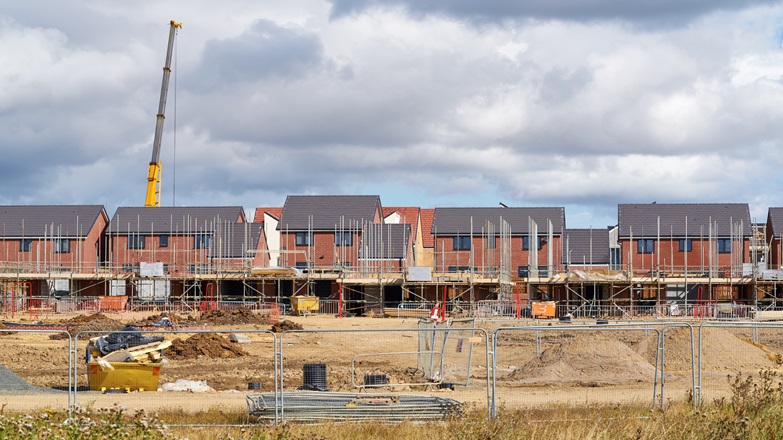
Affordable delivery affects the wider market because it shapes demand and movement across tenures. Rising costs and shifting tenure patterns can trap households in renting for longer, limiting their ability to save for a deposit and creating unsustainable demand. That is why policy needs to support transitions, not just “more homes” in the abstract.
A joined-up plan is required
The annual report reinforces our key message to ministers and MPs: affordability is a whole-market issue. If policy focuses on one tenure in isolation, pressure will simply be displaced elsewhere. That is why, in our evidence to MPs on affordability, we have called for a coordinated approach that increases supply, improves access to home ownership, and supports mobility through a more efficient buying and selling process.
In particular, we have highlighted the combined impact of deposit barriers, mortgage access and the costs of moving home, alongside the need to increase housing delivery.
Revised targets and timelines
Following a renegotiation exercise driven by cost and viability pressures, revised affordable homes programme targets were published in July 2024. These include an ambition of 110,000 to 130,000 homes, at least 40,000 social rent homes, and 44,000 to 56,000 affordable homes for ownership, alongside expectations for supported housing and rural delivery. The report also reiterates that almost all homes should be started by March 2026, with completion deadlines extending beyond that point.
This focus on getting from announcement to delivery is the same issue we have raised in our commentary on major supply commitments, including the UK Government’s £36 billion funding announcement and the wider direction of travel on delivery at scale. The key test is whether funding, planning capacity and delivery mechanisms translate into completions where they are needed most.
Ambitious house building with £36 billion funding
The Social and Affordable Homes Programme, as outlined in the June 2025 Spending Review, has been announced, which will see 300,000 homes delivered across England, with at least 60% for social rent.
What this means for home ownership
Boosting affordable supply is vital, but it only helps households move into home ownership if the routes are genuinely accessible. Propertymark has been engaging with parliamentary scrutiny of mortgage access and support for first-time buyers, including how tools such as guarantees, savings products and the use of rental payment history might help.
This links directly to the UK Government’s broader narrative around restoring the home ownership dream through delivery. We’ve highlighted that ambitions such as a new generation of new towns will only deliver that outcome if delivery is realistic, infrastructure is planned, and homes are provided in a mix that reflects local need and affordability.