For residential managing agents, the announcement is significant because applications must be made by the responsible entity, or by an authorised representative acting on their behalf. In practice, this may mean agents are either directly involved in preparing and managing an application or will need to work closely with freeholders, head leaseholders, residents, contractors, and Homes England.
Propertymark welcomes renewed ambitions to remove dangerous cladding from buildings with serious fire safety risks. No resident should have to live with uncertainty over their safety or face barriers to resolving these issues.
For many, cladding problems have led to years of anxiety, costly remediation work and stalled property sales, preventing people from moving when they need or want to.

Which buildings may be eligible?
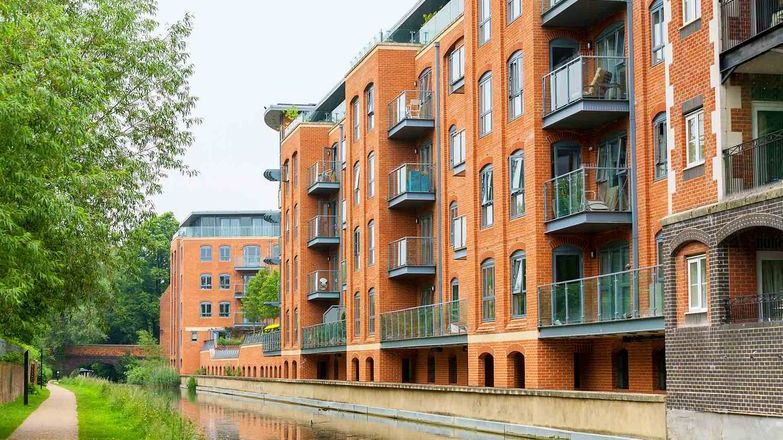
Applications can be made for multi-occupied residential buildings in England that are under 11 metres and contain two or more dwellings. The building must be supported by a Fire Risk Appraisal of External Walls (FRAEW) in line with PAS 9980:2022 methodology, and the assessment must show that cladding remediation or mitigation is necessary and proportionate.
Mitigation measures may be funded where the FRAEW recommends them as an appropriate alternative to full cladding replacement. However, cladding remediation will not be funded retrospectively where work has already started, or where a binding contract was signed before the announcement on 9 July 2026.
The responsible entity must also show that other routes have been explored before public funding is confirmed. This may include redress measures, developer contributions, insurance claims, or warranty schemes. The UK Government has made clear that this is a targeted fund and not a commitment to fund all buildings under 11 metres.
What managing agents should do now
Applications will open on 17 August 2026 following a six-week lead-in period, and there will be an eight-week window for applications to be submitted through the Cladding Safety Scheme Building Remediation Hub. Homes England will assess applications in the order they are submitted once they have been checked and confirmed as valid.
Agents should confirm who the responsible entity is, who is authorised to act, whether a suitable FRAEW has been completed, whether a Fire Risk Assessment is available, and whether all required evidence can be submitted promptly once the application window opens.
Ensure there is a clear audit trail showing what assessments have been carried out, what risks have been identified, what action has been taken or planned, and whether alternative funding routes have been explored.
Resident communication will be central
The Code of Practice for the Remediation of Residential Buildings states that residents should receive regular, up-to-date communication, meaningful engagement throughout the project, clear information on how to raise questions or complaints, and plain English explanations of technical issues.
Managing agents involved in affected buildings should consider how residents will be kept informed before, during and after any application. This should include
- a named contact
- clear information on whether funding will be sought
- the status of any assessments and what the findings mean
- how risks are being managed
If funding is approved, the responsible entity should confirm the scope of works, expected timeline and how residents will be kept updated during delivery. If funding is not approved, or only partial funding is available, the responsible entity should explain why and set out what other options have been considered before any costs are passed on to leaseholders or residents.
Signposting support for residents
Leaseholders and residents cannot apply directly for funding. They should contact the responsible entity first, but they can also use the Tell Us Tool to share information with Homes England, including details of unsafe cladding, previous fire safety assessments, known concerns and the impact on residents. Homes England may then follow up with the responsible entity to help ensure an application is submitted where required.
Leaseholders and residents who need independent advice can contact The Leasehold Advisory Service, which provides guidance on leaseholder and resident rights and responsibilities, including building safety and remediation issues.