
Letting through agents is rising
According to The English Private Landlord Survey 2024 (EPLS), half of landlords stated they use a letting agent to find tenants for their most recent letting.
This demonstrates the increasing complexity of compliance, with landlords recognising the need for expertise as new requirements under the Renters’ Rights Act 2025 and forthcoming energy-efficiency standards come into force.
Propertymark continues to campaign for the formal regulation of property agents, which will support both landlords and tenants by raising standards and ensuring consistent oversight across the sector.

1 May is the date for tenancy reforms under the Renters’ Rights Act
The UK Government has confirmed that the first phase of reforms will take effect on 1 May 2026, marking the most significant shift to tenancy law in a generation. From this date, all existing and new private tenancies in England will move onto the new system. Propertymark has consistently pressed for sufficient lead-in time to allow agents and landlords to prepare. With a firm date now announced, the sector can begin making practical plans.
Portfolios are diversifying
The PRS is still dominated by smaller landlords, with 45% owning one rental property and 38% own two to four, while the 17% with five or more account for 49% of tenancies.
While 93% still let as individuals, the survey indicates a gradual shift towards more formal business structures, with 6% operating as part of a company (up from 4% in 2018) and companies accounting for 15% of tenancies. Landlord experience is also becoming more established, with the share in the market for 10 years or less falling to 42% from 56% in 2018.
This points to a sector that is both maturing and professionalising, reinforcing the need for reforms and tax policy to be workable in practice, and for agents to have clear, consistent frameworks to support compliance and sustain tenancies.

Record crackdown exposes rental tax gap
HMRC has clawed back £107 million in unpaid taxes from buy-to-let landlords in 2024/25, the highest annual total on record. The recoveries were made through the Let Property Campaign (LPC), HMRC’s disclosure scheme for landlords with undeclared income, and show a doubling of repayments compared with three years ago.
A more professional sector facing complex regulation and tax requirements
Propertymark has long highlighted the risk of over-regulation, such as Licensing, and new tax policies that push smaller landlords out of the market, reducing choice for tenants and increasing workload for managing agents.
The survey data shows that while most respondents were aware of major legislative reforms, such as changes to eviction processes and tenant pet rights, only just over half said they knew anything of tax-related changes, including capital gains tax adjustments and changes to landlord tax relief.
Awareness of forthcoming standards reforms, including proposals to extend the Decent Homes Standard to the private rented sector, was lower still.
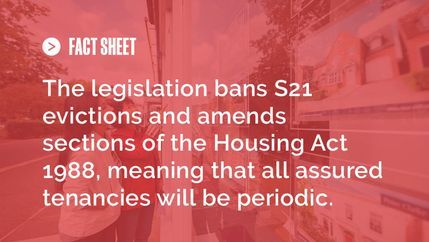
Fact sheet: Renters’ Rights Act
The legislation is the biggest overhaul of private renting in England, which bans Section 21 evictions, introduces a new periodic tenancy regime, and sets new requirements for property standards and rent increases.
A lesson learnt in Scotland
The introduction of Cost-of-Living measures and rent controls in Scotland has demonstrated how overly tight regulation can push landlords to exit the sector and increase prices. The average rent for a two-bedroom home in Scotland increased by over 14% in the year to September 2023 — an extra £105 per month compared to the previous year — as landlords tried to cover increasing costs and prepare for the impact of new legislation.
The English data now suggests similar pressures could emerge south of the border if reforms aren’t carefully managed.