
Tax deadlines
The deadline for a Self-Assessment is 31 January 2026. Anyone missing the 31 January deadline could face an automatic £100 penalty, even if there is no tax to pay. Penalties increase the longer a return remains outstanding. For those who make payments on account, a second payment deadline falls on 31 July 2026.
Making Tax Digital for Income Tax starts 6 April 2026 for those above the relevant threshold, who must keep digital records, use compatible software, and submit updates more regularly.
This change will have practical implications, particularly for landlords who currently rely on annual records or paper-based processes. Good preparation, clear processes and focus are key.
Compliance activity is increasing
HMRC continues to strengthen compliance activity, reporting a record £48.0 billion ‘compliance yield’ in 2024/25, compared with £34.0 billion in 2022/23. This reinforces the importance of accurate record-keeping and timely submissions.
Implications for landlords
Propertymark has reported that awareness of recent and planned tax changes and implications is uneven across the sector, creating risks for compliance and longer-term stability, especially with the impending Renters’ Rights Act 2025, which places more pressure on landlords.
The English Private Landlord Survey show most landlords were aware of high-profile rental reforms, but awareness was lower for tax-related changes. This gap matters because tax obligations remain a key part of running a rental business, and misunderstanding requirements can result in avoidable penalties and stress.

National survey data reveals shift in landlord business models
The private rented sector (PRS) is being reshaped by changing motivations and new financial pressures, which help explain the structural changes behind shrinking stock levels, higher churn, and new expectations around compliance and profitability. For agents, these insights help develop and position services to effectively address the needs of their clients in a shifting market.
In addition, our analysis of a study commissioned by HM Revenue & Customs (HMRC) revealed that among landlords planning to reduce their portfolios, recent tax and legislative changes were the most selected reason (66%), followed by forthcoming legislative changes (44%). This demonstrates the value of a professional, qualified agent who can help landlords keep on top of deadlines, paperwork, and changing requirements.
Propertymark’s position on landlord taxation
We continue to make the case that the tax framework for private landlords needs urgent review, particularly for smaller, independent landlords who provide a significant share of rented homes.
Our research on Section 24 found landlords overwhelmingly describe the restriction as unfair, with many comparing it to being taxed on turnover rather than profit. We have also highlighted how tax policy changes have increased pressure on smaller landlords, which can contribute to higher rents or decisions to leave the market.
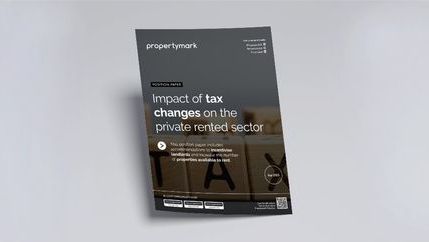
Impact of tax changes on the private rented sector
Using survey data from Propertymark members, and other private and public sector organisations, this position paper highlights the detrimental impact that government decisions since 2015 have had on the tax and financial situation for landlords in the PRS.
Agents can support landlord clients by helping them stay organised, prompting them to prepare early, and ensuring key information is gathered and ready ahead of deadlines. Where landlords need guidance on tax treatment or liability, they should be signposted to HMRC resources or an appropriately qualified tax professional.