
While agents are entitled to confirm a buyer’s source of funding and may recommend additional services, they must not apply pressure or create a disadvantage for buyers who choose not to use them. Regulations made under the Estate Agents Act 1979 require all offers to be passed to the seller promptly and prohibit discrimination based on a buyer’s service choices.
TPO has publicly raised concerns about a rise in conditional selling complaints, signalling a tougher stance when poor practice is identified. Consumers are being actively encouraged to keep records, challenge agents, and escalate complaints to redress schemes or Trading Standards where necessary.
Propertymark will continue to engage with redress schemes and regulators on this issue and support members with guidance, training and resources as expectations continue to evolve.
View TPO’s consumer guidance on conditional selling →
What is conditional selling?
Conditional selling occurs when a buyer is led to believe that their ability to view a property, make an offer, or have an offer taken seriously depends on them using an agent’s in-house or associated services. These may include mortgage advice, conveyancing or insurance. .
Examples that raise red flags
Phrases and behaviours associated with conditional selling include suggesting that an offer will not be put forward unless a buyer uses the agent’s mortgage adviser or solicitor, indicating that a buyer will “stand a better chance” if they use in-house services, and restricting viewing until a buyer meets with the agent’s broker.
TPO is clear that agents:
- must pass on all offers to the seller, regardless of whether the buyer uses recommended services
- must not restrict viewings or delay offers based on service uptake
- must not insist on appointments with in-house advisers as a precondition of proceeding
Recommending associated services is allowed, but it must be made clear that declining them will not disadvantage the buyer in any way. Transparency and choice are key.
Agents should be particularly cautious about using informal language in conversations, emails or call scripts, as these are often central to complaints. Even where no explicit condition is intended, wording that implies preferential treatment can create risk.
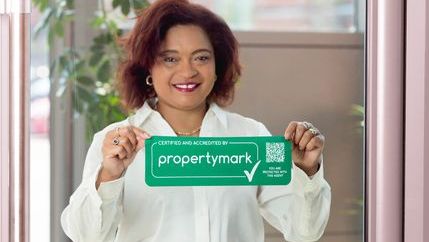
Helping the public find the very best property agents
Property agencies that are Certified and Accredited by Propertymark have voluntarily chosen to be independently regulated and accountable to the highest professional standards.
Proactive compliance is essential
Agents suspected of conditional selling practices can face formal complaints, reputational damage, redress awards, compliance investigations, and potential enforcement action where practices are deemed unlawful.
By embedding transparency and fairness into everyday practice, agents can reduce complaints, meet their legal obligations and demonstrate professionalism while still promoting services in a compliant way.
To protect both consumers and their business, agents should consider:
Reviewing internal processes
Check that sales progression, offer handling and viewing policies are fully compliant. Ensure there are no hidden conditions or unnecessary gatekeeping.
Training front-line staff
Many issues arise from inconsistent messaging at the branch level. Regular training should reinforce what staff can and cannot say, particularly under pressure to meet commercial targets.
Auditing scripts and marketing
Review call scripts, email templates and website wording for anything that could be interpreted as conditional. Subtle phrasing matters.
Separating advice from obligation
Where in-house services are promoted, make the optional nature explicit — and repeat it.
Keeping clear records
Accurate notes of funding checks, offers and buyer interactions can be critical if a complaint arises.
Conditional selling has no place in a fair and transparent housing market. The Property Ombudsman’s guidance is a timely reminder that consumers must be free to choose which services they use, without fear that their offer will be disadvantaged.
Propertymark member agents operate to standards that go beyond the minimum requirements of the law and commit to higher levels of professionalism, transparency and consumer protection, underpinned by ongoing regulation and accountability.
Members undertake regular training to ensure they remain at the forefront of industry developments and are equipped to deliver the very best service to consumers. By maintaining these higher standards, Propertymark members help build trust, reduce complaints and support a well-functioning property market.