Legislation such as the Renters’ Rights Act and ongoing consultations around the home buying and selling process are expected to increase awareness of consumer rights, which could lead to a rise in complaints and disputes as new rules are implemented, particularly if agents and landlords are unclear about their responsibilities.

Lettings disputes rise sharply
The largest increase in disputes came from the lettings sector (up 65% on 2024). However, early resolution cases more than doubled, showing that many issues are being addressed earlier in the process. Tenants accounted for a growing proportion of complaints, representing 57% of the total.
The report identifies the most common sources of lettings disputes as:
- Poor or delayed communication and management
- Repairs and property condition, including safety and damp
- Professional standards and duty of care
- Agreements, terms and fees
- Deposits, rent and client money handling
Communication failures remain a recurring theme in complaints, particularly where tenants or landlords feel they have not been kept informed about repairs, rent arrears, or legal processes.

More complaints come from sellers
Complaints in residential sales also increased, though more modestly, with a 9% increase year-on-year. Again, the number of formal decisions fell as more issues were settled earlier through mediation.
The most frequent causes of complaints in sales cases were:
- Communication and transparency, particularly around updates and expectations
- Professional standards and duty of care
- Fees, commission and contract terms
- Complaint handling procedures
- Issues with valuations, marketing accuracy and handling offers
Sellers remain the main group bringing complaints, although disputes from buyers increased compared with the previous year.
Communication matters most of all
Across all property sectors, the Ombudsman highlights poor communication as the most common underlying factor in disputes. Failures to provide clear information, respond quickly to concerns, or document decisions often cause relatively small problems to escalate into formal complaints.
The report emphasises that simple steps can significantly reduce complaints, including providing clear written updates during transactions and tenancies, managing expectations from the outset, maintaining structured complaint handling procedures, and keeping accurate records of advice and decisions.
Support for members
All companies must have an in-house written complaint-handling procedure and provide details of that procedure as soon as they are aware of a complaint or when someone wishes to make a complaint.
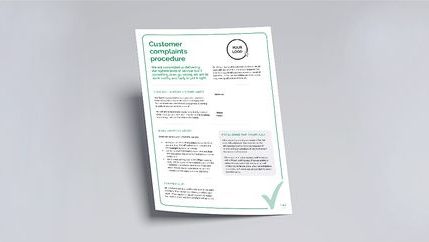
Members can download our branded Customer Complaints Procedure and add their own logo and company details. The form outlines the full process for consumers who wish to make a complaint and will help agents comply with our membership rules.
Agents can access a range of e-learning modules and online training to support them in preventing disputes, records management, and providing excellent customer service.

Awaab's Law: damp and mould in lettings
To bring property agents and landlords up to date on Awaab’s Law and to give you the confidence to determine the appropriate actions necessary to help rectify issues.

Resolving tenancy deposit disputes
Learn how to handle tenancy deposit disputes with confidence in this in-depth course.

eLearning: Records management
Managing information properly is vitally important for an organisation of any size and keeping solid records can be one of the most important assets of a company.

eLearning: Providing great customer service
In this immersive course you will take on the role of a customer service representative that needs to improve their customer service rating.