Professional agents remain central to raising standards
Although complaint volumes have increased, most agents continue to deliver high standards of service. The key takeaway is that proactive communication, transparent processes, and professional standards are the most effective way to prevent complaints and protect reputation.
As the property sector continues to evolve, focusing on these fundamentals will help agents deliver better outcomes for landlords, tenants, buyers, and sellers.
Despite the rise in enquiries, the amount of compensation ordered through the scheme has slightly fallen, and cases are being resolved more quickly.
This suggests many disputes are still being addressed effectively once they reach redress, and that earlier resolution methods are helping prevent more serious escalation.

Lettings complaints continue to dominate
75% of Property Redress members work in lettings, making higher complaint numbers inevitable. Issues related to deposits, service standards and rent payments were among the most frequent areas of dispute, reflecting the increasing complexity of the private rented sector and the expectations placed on letting agents to manage properties, tenants, and landlords effectively.
The report highlights that complaints often arise from misunderstandings or poor communication, particularly during key stages such as tenancy agreements, deposit handling, and end-of-tenancy processes.

Where agents should focus their efforts
Across the sector, several recurring issues appear in redress cases: communication failures, particularly around timescales, fees, or responsibilities; deposit and payment disputes; service quality concerns; and documentation and record-keeping.
Focusing on these key areas can significantly reduce the likelihood of complaints.
Ensure landlords and tenants fully understand the terms of business, fees, and responsibilities before a tenancy begins and provide clear guidance on how deposits are held, protected, and returned.
Keep records of communications, agreements, and property condition reports and maintain an accessible well-documented internal complaints process so issues can be resolved before reaching redress schemes.
Support for members’ complaints procedures
All companies must have an in-house written complaint-handling procedure and provide details of that procedure as soon as they are aware of a complaint or when someone wishes to make a complaint.
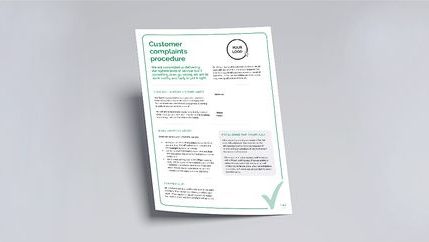
Members can download our branded Customer Complaints Procedure and add their own logo and company details. The form outlines the full process for consumers who wish to make a complaint and will help agents comply with our membership rules.