- You are here:
- Homepage
- Resource library search
- Guide to Local Authority Investigatory Powers
Related resources
No such thing as a universally Renters’ Rights compliant Terms of Business
Whilst it is best practice for letting agents to review their Terms of Business ahead of the reforms kicking in, especially if they are making changes to the type of services they offer to clients, there is no requirement for these business-specific documents to be formally Renters’ Rights compliant.
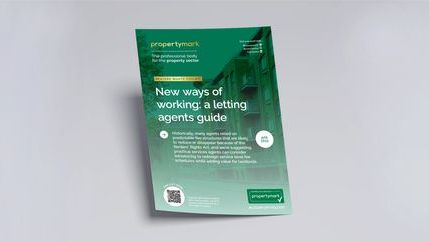
Moving value from administration to expertise under the Renters’ Rights Act
Historically, many agents relied on predictable fee structures such as renewal fees, contract reissues, and negotiation charges tied to fixed-term tenancy cycles. These touchpoints will largely disappear as renewal events no longer occur in the same way, and rent increases follow a statutory process rather than negotiation. Professional letting agents should seize this opportunity to redesign service level fee schedules around ongoing value, professional advice, and compliance expertise.
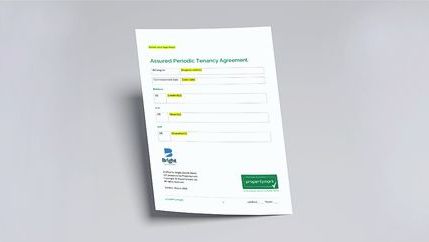
Assured Periodic Tenancy Agreement (APT)
From 1 May 2026, assured periodic tenancies (APTs) will replace assured shorthold tenancies as the standard agreement for the private rented sector. This change forms a crucial part of compliance with the Renters' Rights Act 2025.
Why inventory reports are agents' #1 defence in deposit disputes
When it comes to deposit disputes in the private rental sector, one thing matters above all else: evidence. Not opinion. Not memory. And certainly not assumptions. What matters is time stamped, detailed and impartial documentation that shows exactly what condition a property was in at the start and end of a tenancy. Propertymark Industry Supplier, Inventory Hive, explains why inventory reports matter so much, what makes them stand up to scrutiny, and what can cause them to fall apart in front of a deposit adjudicator.