By implementing rigorous verification processes, educating clients, and staying informed about the latest scam tactics, agents can significantly reduce the risk of fraud and maintain the integrity of the rental market.
Common rental fraud tactics
Rental fraud happens when prospective tenants are tricked into paying an upfront fee to rent a property. However, the property does not exist, has already been rented out, or has been rented to multiple victims . Victims will lose the upfront fee they have paid and cannot rent the property they thought they had secured.
Fraudsters will often contact their victims online. The adverts will seem genuine and are n accompanied by photos and contact information. In some cases, the victim will view the property in person, but in most cases, the payment is made without a prior viewing.
Action Fraud states that reports peak in September each year as fraudsters target students organising their accommodation for the academic year. Summer holiday lets are also a key target, accounting for 27% of reports in July and August.
Preventative measures agents can take
To safeguard both clients and the reputation of legitimate agents, consider the following strategies:
Verify property ownership – Ensure all landlords have legitimate ownership or management rights for the properties they let or wish to let. Confirmation can be confirmed through Land Registry checks or official documentation.
Conduct thorough tenant screenings – Using comprehensive referencing services to validate tenant identities, employment statuses, and rental histories will reduce the risk of accepting fraudulent applications.
Educate prospective tenants – Inform applicants about common rental scams, advise them to avoid making payments before viewing properties in person and be cautious of deals that seem too good to be true. Adverts with no photos or where multiple adverts have the same photos should raise a red flag.
Maintain transparent communication – Provide clear and consistent information throughout the rental process. Ensure all terms, fees, and conditions are documented and accessible to clients.

Property guides for consumers
Propertymark is the go-to organisation for answers to property related questions. As the leading professional body for the property sector, our members set the standard for the industry and our guides are here to help the general public gain an insight into the expertise they'll receive from Certified and Accredited Propertymark experts.
Reporting concerns
Potential fraud can be reported to Action Fraud, the reporting centre for fraud and cybercrime in England, Wales and Northern Ireland. In Scotland, all reports of fraud and any other financial crime should be reported to Police Scotland by calling 101.
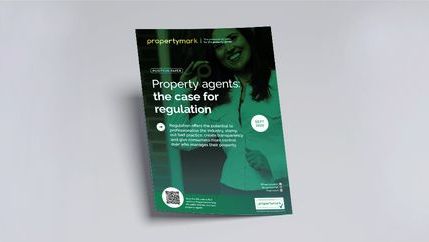
Propertymark supports the campaign to reduce fraud in the rented sector, so it is disappointing to see these figures as ultimately, no one wants to see fraudulent activity particularly targeting young people.
Importantly, these figures highlight the need for greater action to regulate property agents and where regulation already exists, such as for letting agents in Scotland and Wales, the need for greater enforcement action.
Extending and strengthening regulatory requirements for all letting agents will not only provide greater protection for consumers as agents would need a licence to operate but will arm enforcement bodies with the information, they need to filter out rogue operators.
Furthermore, governments should be doing more to promote professionalism in the sector, and we would urge those who are looking to buy, sell or rent a home to use a Propertymark Protected agency as those who voluntarily join Propertymark are required to operate transparently, providing services that offer true protection and peace of mind.