
Crucially, it also means recognising the value of professional letting agents. Working with qualified, regulated agents, landlords will be better equipped to meet their legal responsibilities, tenants benefit from safer, warmer homes, and policymakers are more likely to see the improvements delivered in practice.
What the data tells us
The EHS estimates that 15% of homes in England, around 4.0 million dwellings, failed to meet the current Decent Homes Standard in 2024. In the private rented sector (PRS), the figure is higher at 22%. 9% of homes contain a Category 1 hazard, the most serious risk under the Housing Health and Safety Rating System.
Damp and mould remain a significant concern. In 2024, surveyors identified damp in 5% of all homes, rising to 10% in the private rented sector. These issues often sit alongside wider challenges around insulation, ventilation and heating, highlighting the need for a joined-up approach to property management.
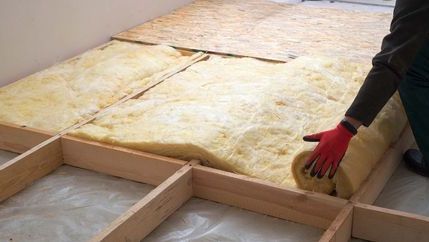
Faulty insulation has left households financially exposed
A House of Commons Public Accounts Committee report states that the UK Government’s energy efficiency installation initiative has suffered serious failings at every level, leaving more than 30,000 homes with defects after external and internal wall insulation was installed through ECO4 and the Great British Insulation Scheme.
On energy efficiency, the longer-term trend is positive. The proportion of homes rated EPC bands A to C has more than doubled over the past decade, reaching 56% in 2024, while the number of homes in the lowest bands E to G has fallen sharply. However, the survey estimates that the average cost of upgrading a home to EPC band C is £7,480, with costs rising significantly for older and harder-to-treat properties.
Legislative change is coming
The EHS findings land at a critical time, as governments move forward with significant reforms to housing standards and energy efficiency. The UK Government has confirmed that a reformed Decent Homes Standard will apply to both the social and private rented sectors, with enforcement in the PRS from 2035. Propertymark has welcomed the confirmation of exemptions, while continuing to stress that clear, consistent guidance will be essential to support effective implementation.
The Warm Homes Plan sets a 2030 deadline for private rented homes to reach EPC band C. Propertymark has long supported improving energy efficiency to reduce bills and improve comfort for tenants, but, crucially, the EHS data shows why a one-size-fits-all approach will not work. Many landlords are already investing in upgrades, yet structural constraints mean that some properties will struggle to reach band C without disproportionate cost.

Warm Homes Plan sets 2030 energy efficiency deadline for the PRS
The UK Government is investing £15 billion and promises a major push to cut bills, tackle fuel poverty, and accelerate home upgrades. In response to our campaigning, the initial 2028 deadline for new tenancies has been scrapped and, with a lower cap amount, property owners will be expected to spend less on upgrades. However, we remain concerned that landlords are being asked to deliver significant change without sustained, targeted support.
Qualified, regulated letting agents are key
The EHS findings highlight the importance of proactive property management, particularly in identifying early signs of damp, disrepair and serious hazards. Qualified and regulated letting agents play a key role in coordinating inspections, advising landlords on compliance, and ensuring remedial works are carried out promptly and appropriately
Fact sheet: Damp, condensation and mould in residential property
Tenants, letting agents and landlords all need to contribute to preventative measures to reduce the impact on living conditions and properties. Taking reasonable steps to tackle damp and mould is not only about looking after your health, it is your responsibility as a tenant.
Agents are also well-placed to guide landlords through the complexities of energy efficiency improvements. From commissioning reliable assessments to helping landlords avoid poor-quality retrofit that can create new problems, professional advice is critical. Propertymark has repeatedly warned that faulty insulation and poorly installed measures can leave households financially exposed and undermine confidence in retrofit programmes.