Propertymark campaigning: a more proportionate approach
We support higher standards, but reforms must be practical, evidence-led and underpinned by clear, consistent guidance so responsible landlords and agents can comply.
Whilst we wanted a 2037 enforcement date, the revised extended deadline is welcomed, along with the shift away from a tick-box approach, including dropping age-based kitchen and bathroom replacements and stepping back from requirements on enhanced security and floor coverings, where the PRS is already largely compliant.
Crucially, the announcement recognises exemptions Propertymark pushed for, where the tenant refuses access, MEES exemptions apply, or physical and planning constraints prevent works. Our consultation response warned that some older properties may not be able to fit window restrictors, and we are seeking clarity on whether the physical and planning constraints exemption will apply.
Detailed guidance must now be produced, which is clear, workable, and applied consistently by all local authorities.
What the new standard will require
To be classed as a 'decent' home, properties will need to meet five criteria:
A home fails if any key component is in serious disrepair, or if two or more other components are in serious disrepair. Key components include the building fabric (such as roofs, walls, windows and doors) and essential systems (including heating and electrics), as well as kitchens and bathrooms, alarms/sprinklers and ventilation.
Homes must be free from damp and mould, with failure linked to HHSRS scoring and an expectation of proactive action, aligning with the direction of travel on extending Awaab’s Law to the PRS.
Additional expectations around window safety, including child-resistant window restrictors where a fall risk is present, have also been confirmed.
Thermal comfort requirements will link to energy efficiency obligations, including Minimum Energy Efficiency Standards (MEES), and the updated standard places clear emphasis on preventing and resolving damp and mould.
Energy efficiency
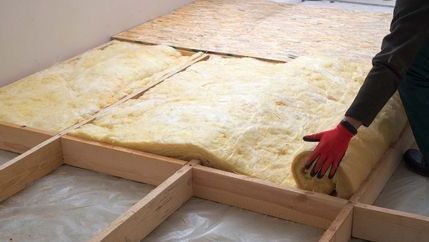
The UK housing stock is amongst the least energy efficient in Europe and the Committee on Climate Change says that energy use in homes accounts for about 14 per cent of UK greenhouse gas emissions. Non-domestic buildings account for around one-third of UK emissions from the building stock.
Damp and mould: clearer expectations and proactive action
The UK Government response reinforces the direction of travel across housing policy: damp and mould must be addressed quickly and proactively, rather than waiting for complaints to escalate. This aligns with broader reform, including the planned extension of time-bound expectations linked to Awaab’s Law principles into the PRS.
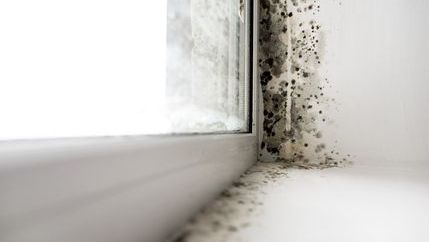
Propertymark supports stronger action to tackle damp and mould and continues to emphasise the need for clear responsibilities, robust reporting routes and realistic approaches where access or supply chain constraints affect delivery.
Powers, penalties and consistency
The Decent Homes Standard for the PRS is to be enforced by local authorities. Councils will be able to inspect homes, require improvements, and take formal action where standards are not met.
Where the most dangerous hazards are present under Criterion A, local authorities will have a duty to act and issue on-the-spot fines of up to £7,000. For other DHS requirements, councils will have the power to take enforcement action, with the approach intended to help them prioritise the greatest risks to tenants.
Alongside this, guidance confirms the maximum civil penalty is £7,000 for breaches and £40,000 for offences, with criminal prosecution available for certain serious or continued non-compliance. Failure to comply with statutory notices can also lead to criminal enforcement action, underpinning the importance of clear processes, good record-keeping and prompt remediation when issues arise.
Propertymark has consulted widely with its members and is clear that the majority of homes they manage are already largely compliant with the new Decent Homes Standard. We welcome the 2035 enforcement date, which gives landlords and agents sufficient time to make any small, proportionate improvements needed to comply.
We are pleased the UK Government has listened to the sector by dropping age-based replacement requirements for kitchens and bathrooms, and by removing measures where the private rented sector is already compliant.
We also strongly welcome the inclusion of key exemptions around access, MEES, and physical constraints, which Propertymark specifically called for. As guidance is finalised, it must be clear, practical and applied consistently by all local authorities to support agents, landlords and tenants alike.