Reforming the way funding is distributed is welcome if it leads to faster and fairer support. However, without broader action to increase the availability of accessible housing across all tenures, many disabled people will continue to face limited choice and long waits for suitable accommodation.
What is changing?
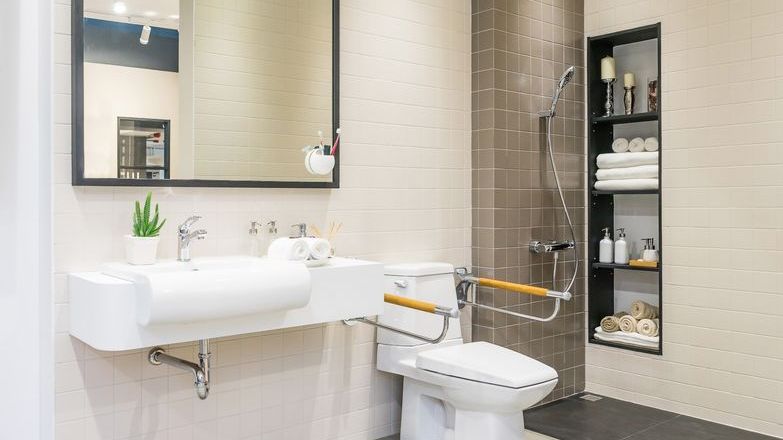
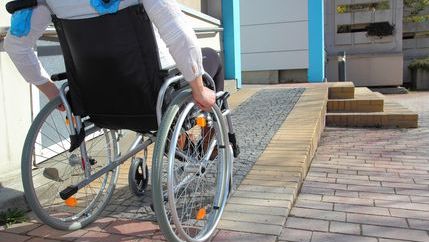
The Disabled Facilities Grant (DFG) provides funding to local authorities to pay for home adaptations that enable disabled people to live independently. This can include stairlifts, level-access showers, ramps, widened doorways, and other structural changes.
There will be a new allocation formula which will reflect local levels of disability and health need, placing greater emphasis on up-to-date data, housing conditions, and tenure.
Funding cap remains
The current maximum grant level for the DFG is £30,000. However, the average value of a high-value claim is £46,000 for adults and £58,000 for children. While the consultation was specifically about the allocation methodology rather than the grant limit itself, there was a "strength of feeling" from respondents—including local authorities and representative organisations—calling for the upper limit to be increased.
Local authorities can choose to publish a local housing assistance policy to increase the upper limit of the grant or remove means testing for certain lower-cost grants, but their financial capacity to do this is under serious strain.
The UK Government states it has already undertaken a review of the upper limit and is currently considering the right approach for the future.
Read the outcome of the UK Government consultation →
What this means in practice
For disabled homeowners and tenants, the changes could improve access to funding in areas where demand has historically outstripped supply. In some local authority areas, DFG budgets have been under considerable pressure, leading to waiting lists or delays.
For private renters, the impact is particularly important. Disabled tenants often rely on DFG funding to make adaptations where landlords may be unable or unwilling to fund works directly. Delays in grant approval can leave tenants living in unsuitable or unsafe conditions.
Propertymark has consistently highlighted the need to level the playing field on accessible homes for disabled people and ensure housing policy properly reflects the needs of an ageing and disabled population. Disabled people should not face additional barriers simply because they rent rather than own their home.
Implications for letting agents and landlords
Letting agents should be aware that tenants may approach them for support in applying for DFG funding, and local authorities will continue to assess eligibility and approve works. Facilitating communication between landlords, tenants, and councils is essential to avoid delays.
Propertymark has previously engaged with a UK Government consultation on adaptations for disabled tenants, emphasising the need for clarity, fairness, and practical implementation in the PRS. We have also highlighted the importance of targeted funding to improve the accessibility of PRS property, noting that financial support is key to helping landlords make necessary improvements.
As wider welfare reform continues to evolve, we have made clear that housing must sit at the core of policy design. Ensuring disabled people can access appropriate, adapted housing is fundamental to that principle.

The wider challenge: supply of accessible homes
While reforming DFG allocations may improve fairness, it does not address the underlying shortage of accessible and adaptable housing.
Propertymark has repeatedly warned that a lack of bungalows and accessible homes is holding back older renters and those with mobility needs. Without increasing supply, grants will continue to be used to retrofit homes that were not designed with accessibility in mind.
We have also called for greater focus on accessible homes within planning policy, urging governments to ensure new developments meet diverse needs, including those of disabled residents.
Reforming the DFG formula is therefore only part of the solution. Long-term progress requires:
- Stronger planning requirements for accessible and adaptable homes.
- Investment in retrofitting existing stock.
- Support for the PRS to improve accessibility standards.