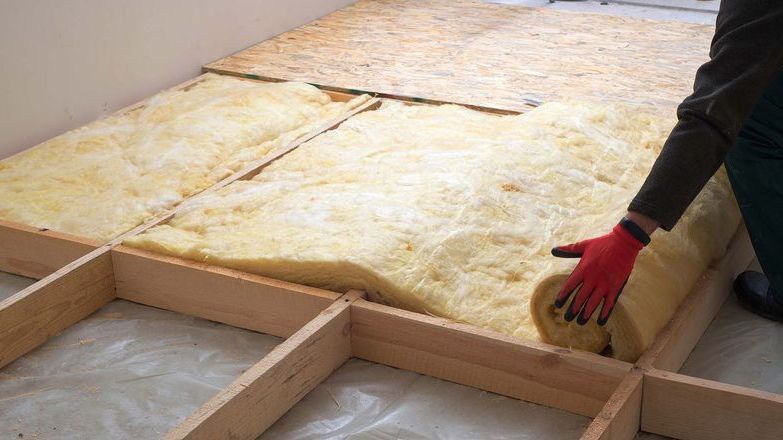
These failures risk undermining trust in retrofit at a time when the Government is pushing ahead with a wider policy on home upgrades. Propertymark has already secured changes through campaigning on PRS energy efficiency timelines, with the Warm Homes Plan setting an EPC Band C deadline of October 2030, subject to exemptions, which makes quality delivery and workable redress even more important for landlords planning investment.

Warm Homes Plan sets 2030 energy efficiency deadline for the PRS
The UK Government is investing £15 billion and promises a major push to cut bills, tackle fuel poverty, and accelerate home upgrades. In response to our campaigning, the initial 2028 deadline for new tenancies has been scrapped and, with a lower cap amount, property owners will be expected to spend less on upgrades. However, we remain concerned that landlords are being asked to deliver significant change without sustained, targeted support.
High levels of defective insulation
Propertymark has consistently campaigned on the quality of installation, consumer protection, and clear accountability when retrofit work goes wrong. In our article, we highlighted that TrustMark identified problems such as missing documentation, insufficient ventilation, and missing or exposed insulation, alongside the risks it can create for property condition.
The Committee draws on National Audit Office findings that support Propertymark’s stance. 98% of external wall insulation and 29% of internal wall insulation installed up to mid-January 2025 were defective, with some posing immediate health and safety risks and others creating risks such as water ingress, condensation and mould.
Further campaigning on the Decent Homes Standard (DHS), particularly where damp and mould, property condition, and clear repair thresholds intersect with retrofit and energy efficiency, works. Our coverage of the DHS consultation and member feedback shows how we are feeding quantified insight into policy so standards are clear, workable, and enforced consistently. We have also urged members to prepare for tighter expectations on damp and mould management.

Member feedback delivered on Decent Homes Standard
Propertymark has submitted a detailed response to the UK Government consultation based on roundtables and surveys with agents across England. Our engagement shows that most properties managed by our members are already largely compliant. However, the extension of the Decent Homes Standard (DHS) will bring new obligations, particularly around damp and mould, safety measures, and clearer repair thresholds. We support a data-driven, proactive approach to property management that considers tenant experience.
Households may still face major costs
Ministers have said households should not have to pay for remediation, but warn there is not yet real assurance that residents will be protected. The report highlights reliance on the original installer to fix defects, with a typical guaranteed cap of up to £20,000 if the installer fails to do so or ceases trading, and notes cases where damage has exceeded £250,000.
The Committee takes the unusual step of recommending that the UK Government refer the issue to the Serious Fraud Office, citing the likely role of fraud in poor quality installations and the fragmented nature of the system designed to prevent and tackle it.
Raising standards realistically
Propertymark will continue lobbying for a quality-first approach with clearer accountability across the supply chain, stronger enforcement, and consumer redress that works in practice, even where firms fold or costs exceed guarantee limits, so households and responsible landlords are not left carrying the consequences of poor delivery. This is consistent with our wider messaging to policymakers on raising standards in a way the sector can realistically deliver.

Progress realistic reforms to achieve higher standards, Propertymark tells MPs
The Housing, Communities and Local Government (HCLG) Committee inquiry into housing conditions in England focuses on the proposed extension of the Decent Homes Standard and the application of Awaab’s Law across social housing and the private rented sector (PRS). Evidence gathered from Propertymark members demonstrates why current initiatives do not go far enough to drive up standards or consistently protect tenants. Reforms must be proportionate, backed by strong enforcement, and packaged with meaningful support for agents and their landlords.