

Issue 64: Autumn 2026
Hot topics we've delved into as the weather starts to cool for autumn include why the human touch is even more valuable now AI exists in all aspects of daily life and how to build a business by building an empowered team. The opportunities in our sector are great; by staying connected and working together we can shape what comes next.

HMRC to sign up overdue tax payers to Making Tax Digital
More than 436,000 sole traders and landlords have submitted their first quarterly update under Making Tax Digital for Income Tax. However, HM Revenue and Customs (HMRC) has now begun identifying those who have not yet registered and transferring them to the new system proactively.

Suzy Lamplugh’s legacy underlines the need to make lone-worker safety routine
Forty years after estate agent Suzy Lamplugh disappeared while attending a work appointment, her legacy remains a powerful reminder that personal safety must be embedded in workplace culture. Our updated guidance and dedicated eLearning course help property agencies assess risks, strengthen procedures, and give staff the confidence to act when circumstances change.

Making Tax Digital deadlines: agents must check who is affected and when
Sole traders and landlords with qualifying income over £50,000 should now be using Making Tax Digital for Income Tax (MTD), and further deadlines in 2027 and 2028 will bring many more agents, property owners, and businesses into the new system. MTD requires affected taxpayers to keep digital records and submit quarterly updates to HMRC using compatible software.
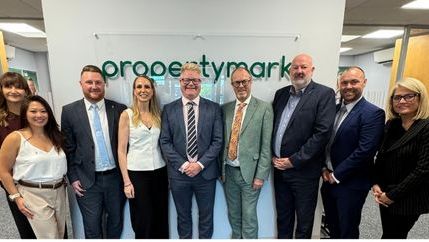
Propertymark members elect new leaders to represent sales and lettings agents
The next Vice-Presidents for the sales and lettings divisions, alongside a Propertymark Board member re-elected for a second term, have been appointed following the 2026 leadership elections. The results were announced at Propertymark’s AGM on Friday, 19 June 2026, where attendees also heard from the incoming divisional Presidents, Kim Lidbury MARLA and Ian Harris FNAEA MARLA.

The HHSRS changes on 23 June 2026 – here is what you need to know
The new regulations do not alter the minimum property standard – homes must remain safe, and hazards must be identified and managed. However, they will affect how hazards are described, scored, and categorised when councils inspect homes, making evidence of regular checks increasingly important.

Members invited to vote in Propertymark leadership elections
Voting opened on 21 May 2026 for members to elect a Propertymark Board Director and the next Vice Presidents for our sales and lettings divisions. By taking part, members help influence how the profession is represented, shape the professional body's future priorities, and strengthen the credibility of member-led representation.

Issue 63: Summer 2026
As the weather warms up, we revisit one of the hottest topics in every sector: AI. Discover how Propertymark and the University of Warwick are helping shape the conversation, and explore how AI can help and hinder standout property listings. Ahead of the Renters’ Rights Act, Valerie Bannister reflects on 30 years of industry change and future hopes.
The Propertymark Trust announces five new Trustees
The appointees join the board after an intensive and robust recruitment process. The Trust is the official charity of Propertymark, supporting estate and letting agents through life’s toughest moments.

Seven new towns to boost housebuilding across England
The proposals form part of a wider ambition to accelerate housebuilding and tackle long-standing shortages, with large-scale developments expected to play a central role in delivering new homes and infrastructure. For property agents, these proposals signal continued focus on boosting supply, but also reinforce the need for practical, deliverable solutions that can bring homes to market more quickly

Agents invited to shape the future of PropTech
Propertymark is inviting member agents to apply for a place on the REACH UK Agent Advisory Board, offering a direct role in shaping and testing the next generation of property technology. The Board builds on a proven model that gives agents early access to emerging solutions and the opportunity to influence how they are developed and deployed in real agency settings.

14 days remain to prepare for new tax rules
From 6 April, 125,000 landlords and sole traders in the property sector must use Making Tax Digital (MTD) software, in the biggest change to the Self-Assessment system since 1997. Support is available to those impacted, and HMRC has confirmed that no penalties will be issued for late quarterly updates in the 2026 to 2027 tax year as the system beds in.

£3,000 grant opens door for agencies to recruit young talent
The Youth Jobs Grant, part of the UK Government's New Deal for young people, is designed to create thousands of jobs and apprenticeships, with estate and letting agencies eligible to benefit from financial support. The scheme forms part of a wider employment drive to unlock opportunities for the next generation, with a focus on supporting businesses to take on younger workers and invest in skills.

Prepare your business for employment law changes coming in 2026
Reforms coming into force during 2026, following the Employment Rights Act 2025, will affect recruitment, staff management, and workplace policies across the UK, including in property agencies. With many firms employing a mix of negotiators, property managers, administrative staff, and apprentices, understanding the changes early will help agencies remain compliant and continue to operate effectively.

Issue 62: Spring 2026
This issue, spring clean your marketing strategy with 10 top tips for smaller agencies from Louise Hudson, Marketing Director at LSL Estate Agency Franchising, explore the trends set to redefine the commercial property market with Jansons Property MD, Andy Jansons, and hear from Micheal Cook, CEO of LRG on his view of the market in 2026.
Introduction of Regulatory Board marks a significant step for Propertymark
The new Board formalises the separation between Propertymark’s regulatory and representative functions, ensuring that regulation is independent, impartial and firmly focused on the public interest. This approach aligns us with best practice across other regulated professional sectors, reinforcing our long-standing commitment to high standards and accountability and strengthening professionalism, transparency and public trust across the property sector.