
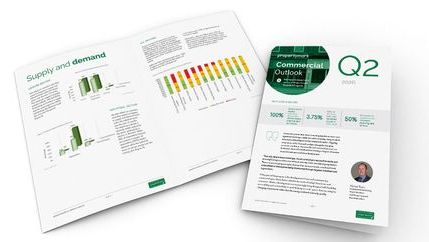
Commercial Outlook Q2 2026
This report highlights continued economic uncertainty across the commercial property sector, with expectations of steady industrial demand, increased supply of pubs and restaurants, and varying sentiment around capital values and investment yields.

Bill tightens cladding deadlines and accountability
The UK Government aims to deliver new legislation which speeds up the removal of unsafe cladding, strengthens enforcement against those delaying work, and gives public authorities powers to step in when remediation stalls. For managing agents, the proposals could bring greater scrutiny of assessments, project progress, and communication with residents.

London Plan must turn housing ambition into homes people can live in
The capital’s draft planning strategy proposes more than half a million new homes over ten years, alongside investment in infrastructure, commercial space, and greener neighbourhoods. We support these ambitions, but our members’ experience across London’s property sectors highlights the gap between identifying land for housing and delivering homes that can be financed, built, and occupied. We have called for a more practical approach to delivery that gives greater recognition to the role of the private rented sector and existing buildings.

Flood certificates to give home movers a clearer picture of risk
Buyers in England could soon be presented with standardised upfront information about how a property would cope with flooding, the protection already installed, and recommendations for improvements. The UK Government and Flood Re have announced that the first pilots of the Flood Performance Certificate (FPC) will begin this winter, targeting at-risk areas, with a broader roll-out planned throughout 2027 and beyond.

Housing Insight Report: August 2026
August’s figures reveal a housing market where activity continues, but buyers are taking a more cautious approach, making realistic pricing and negotiation increasingly important. Meanwhile, growing tenant demand and limited rental supply continue to create challenges across the lettings market, highlighting the different pressures facing buyers, sellers, landlords and renters.

From agent regulation to housebuilding: what the 2026 party conferences mean for the property sector
Housing was firmly at the centre of this year's political conference season, with the major parties setting out competing visions for home ownership, renting, planning reform and economic growth. While Labour's position as the party of government meant it made announcements with the most immediate implications, conferences across the political spectrum provided important insight into how housing policy may evolve in the coming years.

Agent voice is vital for new regional building safety regime
Once implemented, the Building Safety (Wales) Act 2026 will introduce a new regime for assessing and managing building safety risks in multi-occupied buildings, led by a designated local authority in each of Wales’s three fire and rescue authority areas. The success of the regional Building Safety Authorities (BSAs) will depend on sufficient resources, clear guidance, and meaningful engagement with property and managing agents to support a consistent approach across Wales.

Housing and rental market proposals in focus at Green Party Conference
Party Leader Zack Polanski's speech and wider conference policy discussions have outlined a series of housing and property proposals, including plans for a three-year cap on private rents, increased investment in social housing, and wider reforms aimed at addressing housing affordability. Propertymark supports policies that improve access to safe, secure, and affordable housing. However, we continue to oppose rent control measures that risk serious unintended consequences for people seeking suitable homes.

Labour Conference 2026: Key announcements on leasehold reform and agent regulation
The UK Government has used the Labour Party Conference to set out a series of significant housing and property sector reforms, including tougher action against landlords who fail to maintain their properties and confirmation that the regulation of property agents will be introduced. These plans are likely to have far-reaching implications for Propertymark members working across the sales, lettings and property management sectors.

Taking member voices to the heart of the latest housing announcements
Prime Minister Andy Burnham has proposed a new scheme to allow first-time buyers in England to purchase a new-build home with a 2.5% deposit, along with plans to let councils intervene sooner when homes stand empty, and a £210 million package to bring disused high street buildings back into use. Propertymark’s Policy and Campaigns Team is at the Labour Party conference to discuss these announcements directly with MPs and explain how members and their clients could be affected.

Making Tax Digital: November deadline approaches as more landlords prepare to join
Landlords and sole traders already using Making Tax Digital (MTD) for Income Tax must send their second quarterly update to HMRC by 7 November 2026. The rules will extend to more people from April 2027, so letting agents can help landlord clients prepare now.

Members’ message to ministers: unlock housing supply and investment with Budget
Informed by our engagement with member agents operating in Wales, Propertymark has called on the Senedd’s Finance Committee to ensure the 2027–28 Budget addresses the real financial pressures facing property businesses and the wider housing market. We urge the Welsh Government to prioritise practical action that improves the availability and quality of homes, rather than adding costs or regulation that could reduce supply.

Housing supply must be at the heart of Government agenda
Propertymark has urged the Senedd’s Local Government, Housing and Planning Committee to make increasing the supply of homes its top priority. Our response to the Committee’s consultation on its future work programme sets out three priorities: delivering more homes across all tenures, sustaining a well-regulated private rented sector, and promoting professionalism and consumer confidence in property agents.

New AML strategy signals closer scrutiny for property sector
Property agents will remain firmly on the frontline of the fight against economic crime as plans are afoot to strengthen anti-money laundering supervision, improve intelligence sharing and consider changes to the rules covering letting agents.

Stronger protections against unreasonable restrictive covenants considered
The UK Government has acknowledged that homeowners may need greater protection from the unreasonable enforcement of restrictive covenants, following concerns raised by MPs over unexpected and potentially significant demands for payments. The move reflects issues Propertymark has highlighted through its long-running campaign for meaningful leasehold reform and greater transparency for property owners.

Housing Insight Report: July 2026
Sales and lettings activity remained steady in July 2026, with buyer demand increasing and more homes available for sale, although most properties sold below asking price and transactions continued to take longer to complete. In the rental market, demand remained far higher than supply, with rents rising slightly and rental arrears increasing.